Janitorial Cleaning for Medical and Professional Offices
[ez-toc]
Medical and professional offices need more than an occasional cleaning to maintain a space that feels organized, comfortable, and ready for the people who use it every day. Employees, patients, clients, vendors, and visitors continuously move through waiting rooms, hallways, restrooms, work areas, and other shared spaces. With that activity comes tracked-in dirt, dust, fingerprints, spills, trash, and everyday buildup that can quickly affect the appearance of a workplace.
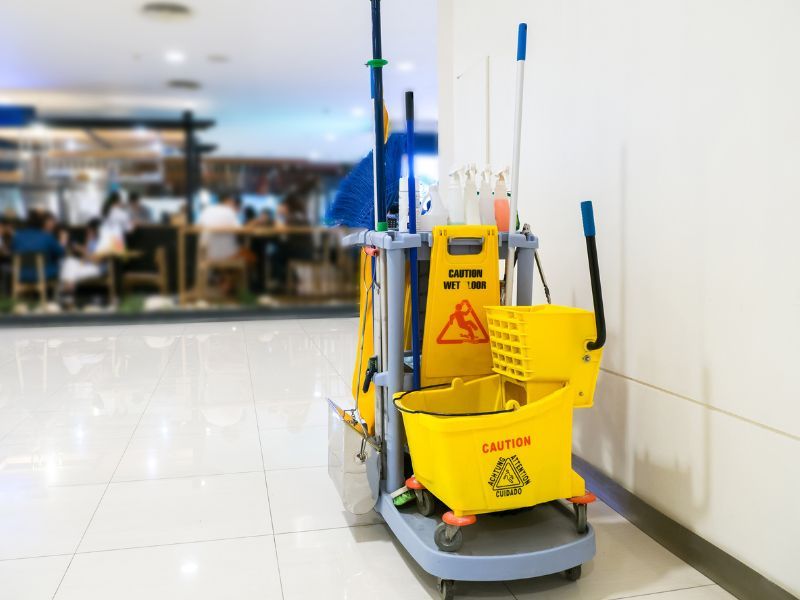
Professional janitorial cleaning provides consistent care for these environments. Rather than waiting for the office to look noticeably dirty, recurring service addresses the routine cleaning tasks that keep the facility maintained throughout the week. Floors can be vacuumed or mopped, restrooms cleaned, trash removed, surfaces dusted, and high-touch areas given regular attention according to the needs of the facility.
Medical offices introduce additional considerations because patients regularly move through shared spaces and certain areas may require more careful cleaning and disinfection practices. Professional offices have their own priorities, including maintaining clean reception areas, conference rooms, employee spaces, and restrooms that reflect positively on the business. A customized janitorial plan can account for these differences while providing the consistent upkeep both types of facilities require.
Why Office Cleanliness Matters
The condition of an office affects how people experience the business from the moment they enter. A client walking into a law office, an applicant arriving for an interview, or a patient checking in for an appointment may notice dirty floors, overflowing trash, dusty surfaces, or an unclean restroom before they notice anything else about the facility.
Regular janitorial cleaning helps prevent everyday buildup from reaching that point. Instead of relying on occasional deep cleaning to correct weeks or months of accumulated dirt, businesses can maintain a more consistent standard throughout the year. This is especially valuable for offices that receive visitors throughout the day and need public-facing areas to remain presentable.
Medical and Professional Offices Have Different Cleaning Needs
A dental practice, medical clinic, accounting firm, insurance office, and law firm may all operate in similar commercial spaces, but their cleaning priorities are not necessarily identical. A professional office may place greater emphasis on presentation, dust control, floors, conference rooms, break rooms, and reception areas. A medical facility may require additional attention to frequently touched surfaces, patient-facing spaces, and cleaning procedures appropriate for the type of facility.
This is one reason a customized janitorial plan is preferable to treating every commercial building exactly the same. Cleaning frequency, areas of emphasis, facility traffic, flooring materials, operating hours, and the way the space is used should all influence the service plan.
Reception Areas Create the First Impression
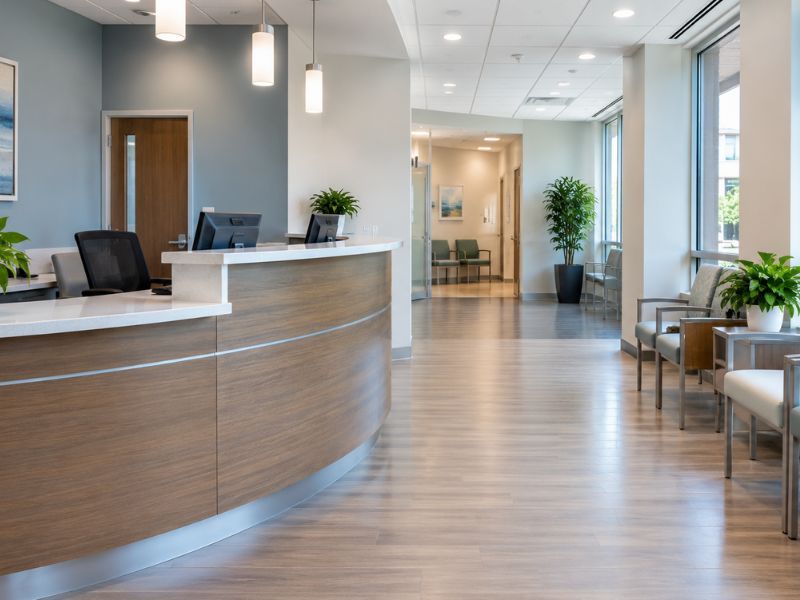
The reception area is often the first part of a business that patients or clients experience. Floors near the entrance collect outdoor dirt, reception counters are touched throughout the day, and waiting-room furniture can accumulate dust, crumbs, and debris. Glass doors and other glossy surfaces may also show fingerprints quickly.
Routine janitorial service can include vacuuming or mopping floors, removing trash, dusting appropriate surfaces, and cleaning common touchpoints. In offices with a high volume of daily visitors, the reception area may need more frequent attention than private offices that see comparatively little traffic.
Waiting Rooms Need Consistent Cleaning
Medical and dental offices may have dozens of patients moving through the same waiting room every day. Chairs, door handles, check-in areas, tables, and other shared surfaces experience repeated contact. Floors also collect dirt and moisture brought in from outside, particularly during wet or snowy weather.
Consistent cleaning helps keep these spaces presentable between deeper services. The cleaning plan should reflect how busy the facility is, how long it remains open, and which areas receive the greatest amount of use. A small specialty practice may have very different requirements from a busy clinic with patients arriving throughout the day.
High-Touch Surfaces Deserve Extra Attention
Some surfaces in an office are touched far more frequently than others. Door handles, light switches, elevator buttons, shared counters, handrails, and other common touchpoints can receive repeated contact from employees and visitors throughout the day.
Including these areas in a recurring cleaning plan prevents them from being overlooked simply because they do not appear visibly dirty. Cleaning and disinfecting are distinct processes, and the appropriate products and procedures should be selected based on the surface, facility, and desired outcome.
Cleaning and Disinfecting Are Not the Same Thing
Although the terms are sometimes used interchangeably, cleaning and disinfecting perform different functions. Cleaning focuses on removing dirt, dust, residue, and other material from a surface. Disinfecting involves using an appropriate disinfectant according to its label directions to address microorganisms on suitable surfaces.
In many situations, a visibly dirty surface needs to be cleaned before a disinfectant can be used effectively. Medical facilities in particular should establish cleaning and disinfection procedures appropriate for their operations and applicable requirements. A janitorial provider should understand the facility’s expectations and follow the agreed-upon protocols rather than assuming every office requires exactly the same process.
Medical Exam Rooms Require Careful Attention
Exam rooms are different from ordinary office spaces because they are used directly during patient care. Surfaces, equipment, and cleaning responsibilities can vary considerably depending on the type of medical practice and procedures performed.
A medical facility should clearly define which cleaning tasks are handled by clinical staff and which are included in the janitorial scope. This avoids uncertainty around sensitive equipment, medical materials, and areas that require specialized procedures. Communication between the facility and cleaning provider is essential for establishing appropriate responsibilities.
Professional Offices Need More Than Empty Trash Cans
Office cleaning is sometimes reduced to vacuuming and taking out the trash, but maintaining a professional environment involves much more. Dust accumulates on furniture, ledges, baseboards, and other surfaces. Floors develop traffic lanes. Break rooms collect food residue. Restrooms require regular cleaning, and fingerprints quickly appear on doors and shared surfaces.
A comprehensive janitorial program addresses the entire facility according to a defined schedule. Some tasks may be completed during every visit, while others can be rotated weekly, monthly, or according to the needs of the property. This creates a more thorough approach without unnecessarily performing every task every day.
Restrooms Are One of the Most Important Areas to Maintain
Few areas influence people’s perception of a facility as strongly as the restroom. An office can have an attractive lobby and modern furnishings, but an unclean restroom can quickly change a visitor’s impression of the entire business.
Routine restroom service may include cleaning toilets, sinks, counters, mirrors, partitions, fixtures, and floors, along with removing trash and replenishing agreed-upon supplies. High-traffic facilities may require more frequent restroom attention than smaller offices, especially when the same facilities are shared by employees and visitors.
Restroom Supplies Need to Be Monitored
A clean restroom is still inconvenient if it runs out of soap, toilet paper, or paper towels during the workday. Depending on the janitorial agreement, supply monitoring and restocking can be incorporated into recurring service.
Businesses should clearly establish who is responsible for purchasing supplies and maintaining inventory. A predictable system helps prevent situations where an essential item runs out because everyone assumed someone else was monitoring it.
Office Break Rooms Can Become Dirty Quickly
Break rooms and office kitchens are shared spaces where food, drinks, and frequent activity create continuous cleaning needs. Countertops can collect crumbs and spills, microwaves and appliance exteriors become dirty, sinks accumulate residue, and floors may become sticky from unnoticed spills.
Recurring janitorial cleaning can help maintain these common areas, but employees still play an important role in handling personal food and cleaning major spills when they happen. Establishing clear expectations for both employees and the cleaning provider helps prevent break rooms from becoming one of the dirtiest areas in the office.
Trash Removal Is More Important Than It Seems
Office trash can contain food packaging, used tissues, drink containers, paper, and other everyday waste. Allowing bins to remain full can create odors and make workspaces feel poorly maintained. Medical offices may also generate waste that requires specific handling and cannot simply be placed in ordinary office trash.
A janitorial cleaning plan should identify which waste streams the cleaning provider is responsible for removing. Medical waste, sharps, pharmaceuticals, and other regulated materials require appropriate handling and should never be treated as ordinary janitorial waste unless the provider is specifically qualified and contracted to manage them.
Floor Cleaning Is Essential in Busy Offices
Commercial floors handle continuous traffic. Shoes bring in dirt, moisture, salt, grit, and other outdoor debris, while rolling chairs and everyday movement spread that material farther into the facility. Entryways, hallways, reception areas, and paths leading to restrooms often show soil first because they receive the most traffic.
Routine vacuuming, sweeping, and mopping help prevent loose soil from accumulating. The exact method depends on the flooring material. Carpet, luxury vinyl, tile, VCT, and other commercial floors have different maintenance requirements, making it important to use appropriate equipment and cleaning products.
Commercial Carpet Needs Ongoing Maintenance
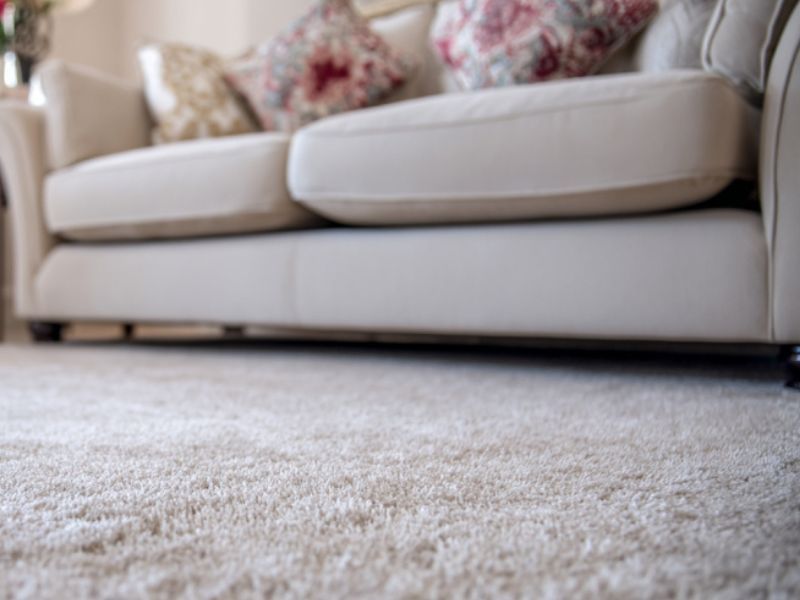
Carpeted offices can hide substantial amounts of dry soil before they begin to look visibly dirty. Dirt entering near the building entrance gradually moves into hallways, offices, waiting rooms, and conference areas. Regular vacuuming removes much of this loose material before it becomes more deeply embedded.
Vacuuming should be supplemented periodically with professional carpet cleaning when needed. High-traffic lanes may require deeper cleaning sooner than lightly used areas. Combining routine janitorial maintenance with periodic carpet cleaning can help keep commercial carpet looking more consistent throughout the facility.
Hard Floors Need More Than Occasional Mopping
Hard flooring is common in medical offices because it is practical for high-use environments, but it still requires regular care. Loose soil should be removed before wet cleaning so dirt is not simply mixed into mop water and redistributed across the floor.
Different materials also require different products and maintenance procedures. Using excessive detergent or inappropriate cleaning chemistry can leave residue or affect the finish. A professional cleaning provider can develop floor-care procedures based on the surfaces installed throughout the building.
Entryways Need Additional Attention
Much of the dirt found throughout an office begins at the entrance. Employees and visitors bring in outdoor soil every time they enter the building. Rain, snow, and winter conditions can increase the amount of moisture and debris deposited near doors.
Entry mats can capture some of this material before it travels farther into the building, but the mats themselves need regular cleaning. Floors immediately around entrances may also require more frequent attention than interior areas. Controlling soil near the door helps reduce the amount that spreads through the rest of the facility.
Dust Builds Up in Places Employees Rarely Notice
Horizontal surfaces naturally collect dust, but some areas are much easier to overlook than others. Window ledges, shelving, furniture edges, baseboards, door frames, and other less obvious surfaces can accumulate visible buildup over time.
A detailed janitorial plan can include periodic dusting of these areas instead of focusing exclusively on desks and floors. Rotational cleaning is useful because it allows less frequently needed tasks to be addressed on a predictable schedule without requiring every surface to be cleaned during every visit.
Shared Workspaces Require Consistent Care
Many modern offices include shared desks, conference rooms, collaborative areas, printers, break spaces, and other common facilities. Unlike a private office used by one person, these areas may be used by numerous employees throughout the day.
The greater amount of activity can lead to faster accumulation of dust, fingerprints, crumbs, and general debris. A janitorial plan should account for how employees actually use the workplace rather than relying only on the number of square feet in the building.
Conference Rooms Can Make an Impression on Clients
Conference rooms are often where important meetings, presentations, interviews, and client discussions take place. Dusty tables, dirty floors, fingerprints, or overflowing trash can distract from an otherwise professional environment.
Regular cleaning can include vacuuming or mopping the floor, removing trash, dusting appropriate surfaces, and cleaning commonly touched areas. Offices that host frequent meetings may want conference rooms included during every janitorial visit rather than treating them as low-use spaces.
Private Offices Still Need Routine Cleaning
Private offices may not receive the same traffic as reception areas or conference rooms, but dust and debris still accumulate. Carpet collects soil, trash bins fill, and surfaces gather dust even when only one person regularly uses the room.
The appropriate level of service may be lighter than in public areas, allowing cleaning resources to be concentrated where they are needed most. Customized janitorial schedules can establish different frequencies for different parts of the building instead of applying an identical routine everywhere.
Cleaning Around Office Electronics Requires Care
Computers, monitors, phones, printers, and other electronics are common throughout professional and medical offices. These items can collect dust and fingerprints, but they should not automatically be treated like ordinary countertops.
Businesses and janitorial providers should establish clear expectations regarding electronics. Certain equipment may be cleaned only by employees or according to manufacturer recommendations. This is particularly important in medical environments where specialized devices may require specific cleaning procedures.
Medical Equipment Is Not Ordinary Office Furniture
Medical facilities contain equipment that may have manufacturer-specific cleaning and disinfection requirements. A general janitorial provider should not assume responsibility for specialized medical equipment unless the scope has been clearly established and appropriate procedures are in place.
Clinical staff and facility management should determine which surfaces are handled internally and which can safely be included in janitorial service. Clearly separating responsibilities helps prevent important tasks from being missed and reduces the chance that sensitive equipment will be cleaned incorrectly.
Cleaning Schedules Should Match Office Traffic
A small professional office with limited visitors may not require the same cleaning frequency as a busy healthcare facility. The appropriate schedule depends on the number of employees, daily visitors, operating hours, restroom usage, flooring types, and the level of cleanliness the organization wants to maintain.
Some facilities benefit from daily service, while others may be well served by several visits each week. Certain tasks can also be performed at different intervals. Trash and restrooms may need frequent attention, while detailed baseboard cleaning or other periodic tasks can be placed on a rotating schedule.
Daily Janitorial Cleaning May Be Appropriate for Busy Facilities
Medical practices and high-traffic professional offices can generate enough daily activity that cleaning only once a week allows visible buildup to develop between visits. Trash, restroom use, floor soil, and frequently touched surfaces can all require more consistent attention.
Daily service does not necessarily mean every surface receives a deep cleaning every night. Instead, priority tasks can be completed consistently while less frequent work is incorporated into a rotating schedule. This approach helps maintain the building without performing unnecessary tasks.
After-Hours Cleaning Can Reduce Workplace Disruption
Many offices prefer janitorial service before employees arrive or after the business closes. Cleaning outside normal operating hours allows floors, restrooms, common areas, and workspaces to be serviced without cleaners navigating around patients, employees, or client meetings.
After-hours cleaning requires coordination around keys, alarm systems, locked areas, and building access. Businesses should establish clear procedures with their janitorial provider so cleaners know where they are permitted to work and how the facility should be secured when service is complete.
Some Offices May Prefer Daytime Janitorial Service
After-hours cleaning is not the only option. Larger facilities or offices with long operating hours may benefit from daytime janitorial support. A daytime cleaner can respond to spills, monitor restrooms, remove trash, and maintain common areas while the building is occupied.
The right approach depends on facility operations. Some businesses use a combination of daytime maintenance and more extensive evening cleaning. A customized schedule can be designed around when the building is busiest and which tasks need immediate attention.
Security Matters When Choosing a Janitorial Provider
Professional and medical offices may contain confidential documents, computers, equipment, and other sensitive materials. When cleaners work after hours, facility managers need confidence that access procedures are being followed appropriately.
Businesses should discuss building access, keys, alarm codes, restricted rooms, and security expectations before service begins. Sensitive records and confidential materials should also be stored appropriately rather than left exposed simply because a cleaning service is scheduled.
Medical Offices Need Clear Boundaries Around Sensitive Areas
Not every room in a medical facility should automatically be included in general janitorial service. Medication storage, laboratories, specialized procedure areas, records rooms, and other controlled spaces may have access restrictions or specific cleaning requirements.
A facility walkthrough before service begins provides an opportunity to identify these areas. The cleaning plan can clearly state where janitorial staff should work, which rooms are restricted, and whether certain spaces require special procedures.
Professional Cleaning Helps Maintain a Consistent Appearance
One advantage of recurring janitorial service is consistency. When cleaning is left entirely to employees, tasks may be completed only when someone notices a problem or has spare time. This can lead to significant differences in cleanliness from one week to another.
A professional schedule establishes specific responsibilities and frequencies. Restrooms, floors, trash, common areas, and other agreed-upon spaces receive attention according to the plan rather than depending on whether an employee remembers to handle them.
Employees Can Focus on Their Actual Responsibilities
Office employees are generally hired to serve patients, assist clients, manage accounts, handle administrative work, or perform other responsibilities related to the organization. Asking them to routinely clean restrooms, mop floors, or manage extensive facility cleaning takes time away from those duties.
Professional janitorial service separates facility cleaning from employee responsibilities. Staff members still need to manage their personal work areas and address immediate spills or messes, but the larger recurring cleaning workload can be handled according to a defined service plan.
Janitorial Cleaning Can Be Customized by Area
A useful cleaning plan does not necessarily treat every room equally. A lobby used by hundreds of people may need daily floor care, while a storage room may require attention much less frequently. Restrooms can have one schedule, private offices another, and conference rooms another.
This area-based approach allows businesses to focus cleaning resources where they have the greatest impact. During the initial walkthrough, facility managers can identify high-priority spaces and establish expectations for both recurring and periodic cleaning tasks.
Seasonal Conditions Can Change Office Cleaning Needs
Commercial cleaning requirements can change throughout the year. Rainy weather can increase moisture and tracked-in soil near entrances, while winter can bring salt and additional debris onto floors. Seasonal pollen and dust may also increase the amount of material entering the building.
A janitorial plan should be flexible enough to respond to these changes. Entryways and floors may require additional attention during certain seasons, while other tasks can remain on their normal schedule.
Deep Cleaning Complements Recurring Janitorial Service
Routine janitorial cleaning handles everyday upkeep, but some tasks are better suited to periodic deep cleaning. Carpet cleaning, detailed tile and grout cleaning, upholstery cleaning, and other specialized services can address buildup that ordinary daily or weekly maintenance does not fully remove.
Combining recurring janitorial care with scheduled deep cleaning creates a more complete maintenance strategy. Routine service prevents rapid buildup, while deeper services periodically address flooring, fabrics, and other surfaces that need more intensive care.
How to Determine What Your Office Needs
The best way to develop a janitorial plan is to evaluate the facility itself. Consider the building’s size, number of employees, average daily visitors, operating hours, restroom usage, flooring materials, and any industry-specific requirements.
Facility managers should also identify existing problem areas. Perhaps the entryway becomes dirty quickly, restrooms need more attention during the afternoon, or the break room is consistently difficult to maintain. These observations can be used to create a service schedule that addresses actual needs rather than relying on a generic checklist.
What to Look for in a Janitorial Cleaning Company
Reliability and communication are important when selecting a company that will regularly work inside your office. Ask how cleaning plans are developed, how service concerns are handled, what types of commercial facilities the company works with, and whether scheduling can be adapted to your operating hours.
For medical facilities, discuss the exact scope of service and any special procedures before work begins. Never assume that general commercial cleaning automatically includes specialized medical or biohazard cleaning. Responsibilities should be clearly defined so both the facility and cleaning provider understand what is included.
Creating a Cleaner Medical or Professional Office
Medical and professional offices depend on consistent cleaning to maintain spaces that are comfortable, presentable, and ready for daily use. Reception areas, waiting rooms, restrooms, floors, break rooms, conference rooms, and shared surfaces all experience different levels of traffic and require different amounts of attention.
A professional janitorial program provides a structured approach to this ongoing maintenance. Instead of waiting until floors look dirty or restrooms need attention, cleaning tasks can be performed on a schedule designed around the facility. Periodic deep cleaning can then complement routine service by addressing carpet, tile, upholstery, and other surfaces that require more intensive care.
THH Clean provides professional janitorial cleaning for businesses in Fairfield, Cincinnati, and surrounding Ohio communities. From professional offices that need dependable recurring upkeep to medical facilities with detailed cleaning requirements, THH Clean can develop a cleaning schedule based on the size, traffic, and needs of the property. Contact THH Clean to discuss a customized janitorial cleaning plan for your facility.
Frequently Asked Questions
How often should a medical office be professionally cleaned?
The appropriate cleaning frequency depends on patient volume, facility size, operating hours, types of spaces within the office, and applicable facility requirements. Busy patient-facing areas may require daily attention, while certain lower-use areas can be cleaned less frequently.
What does janitorial cleaning for a professional office include?
A janitorial plan may include vacuuming, sweeping, mopping, restroom cleaning, trash removal, dusting, break-room cleaning, and attention to agreed-upon high-touch surfaces. The exact services and frequency should be customized to the facility.
Is medical office cleaning different from regular office cleaning?
It can be. Medical facilities may have patient-care spaces, specialized equipment, regulated waste, and facility-specific cleaning or disinfection procedures that are not present in a typical professional office. The scope and responsibilities should be clearly established before janitorial service begins.
Can janitorial cleaning be performed after business hours?
Yes. Many professional and medical offices schedule cleaning before opening or after closing to reduce disruption. Building access, alarm procedures, restricted rooms, and security expectations should be established with the cleaning provider beforehand.
Can a janitorial company handle medical waste?
General janitorial service should not be assumed to include sharps, regulated medical waste, pharmaceuticals, or other specialized waste. Medical facilities should use appropriate procedures and qualified providers for regulated materials and clearly define which waste streams janitorial staff are authorized to handle.