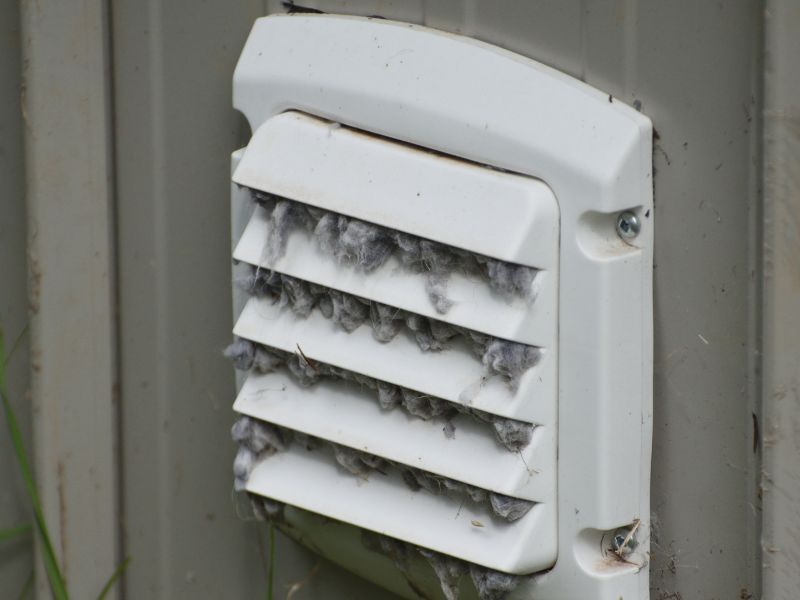
Fairfield’s Homes: Hidden Fire Risks from Clogged Dryer Vents

[ez-toc]
Most homeowners think about fire safety in terms of smoke detectors, kitchen appliances, candles, and electrical outlets. But one of the most overlooked fire risks in Fairfield homes may be hiding behind the dryer. When lint, dust, and debris build up inside the vent system, airflow becomes restricted and heat can collect where it should not. At THH Cleaning, we help homeowners understand why dryer vent cleaning in Fairfield is an important step for reducing hidden hazards and keeping the laundry area safer.
Clogged dryer vents are especially concerning because the warning signs can be easy to ignore. Clothes may take a little longer to dry, the laundry room may feel warmer than usual, or the dryer may seem to work harder than it used to. These small changes can point to a larger problem inside the vent line. Understanding how dryer vent clogs form, why they create fire risk, and what you can do to prevent them can help protect your home and family.
Why Clogged Dryer Vents Are a Hidden Fire Risk
Your dryer creates heat every time it runs. That heat is supposed to move through the dryer drum, pull moisture from clothing, and exit the home through the dryer vent. When the vent is clear, this process happens efficiently. When the vent is clogged, hot air becomes trapped.
The biggest danger comes from lint. Lint is made from tiny fibers shed by clothing, towels, bedding, and other fabrics. It is lightweight, dry, and highly flammable. Even when you clean the lint screen after each load, some lint still escapes into the vent system.
Over time, lint can collect inside the ductwork, around bends, near the exterior vent opening, and behind the dryer. As this buildup grows, the dryer has to work harder to push air through. The combination of heat, restricted airflow, and flammable lint creates a serious safety concern.
How Dryer Vent Clogs Develop Over Time
Dryer vent clogs rarely happen overnight. They usually build slowly through everyday laundry use. Each load sends small amounts of lint and moisture through the system. The lint screen captures much of it, but not all of it.
As lint collects inside the vent, it can stick to the walls of the duct. If the vent line has bends, long runs, crushed sections, or an exterior cover that does not open properly, buildup may happen even faster.
Common causes of dryer vent clogs include:
- Lint buildup inside the vent line
- Crushed or kinked dryer hoses
- Long vent routes with several turns
- Bird nests or debris near the exterior vent
- Damaged vent covers
- Improper dryer installation
- Failure to clean the lint trap regularly
- Heavy laundry use from large households
Because much of the vent system is hidden behind walls or appliances, homeowners may not realize there is a clog until performance problems appear.
Why Fairfield Homeowners Should Take Dryer Vent Safety Seriously
Fairfield homes vary in age, layout, and dryer vent design. Some laundry rooms vent directly outside through a short wall route, while others have longer vent paths that travel through floors, crawl spaces, basements, or exterior walls.
The longer the vent route, the more opportunity there is for lint to collect. Older homes may also have outdated vent materials, tight laundry spaces, or vent connections that have shifted over time.
Even newer homes are not immune to dryer vent problems. If the dryer is used frequently or the vent is not properly maintained, lint buildup can still become a safety issue. Regular cleaning helps homeowners stay ahead of problems they cannot easily see.
Warning Signs of a Clogged Dryer Vent
A clogged dryer vent often gives noticeable warning signs. The key is recognizing them before the problem becomes more serious.
Common signs include:
- Clothes take longer than normal to dry
- Loads need more than one cycle
- The dryer feels very hot during use
- Clothing feels unusually hot at the end of a cycle
- The laundry room becomes warm or humid
- There is a burning smell while the dryer runs
- Lint collects around the dryer or exterior vent
- The outside vent flap does not open properly
If your dryer used to dry clothes quickly but now takes much longer, restricted airflow may be the reason. Ignoring that change can increase appliance strain and safety concerns.
Why Cleaning the Lint Screen Is Not Enough
Cleaning the lint screen after every load is one of the best habits a homeowner can develop. However, the lint screen is only one part of dryer maintenance. It does not clean the vent line.
Fine lint particles still move past the screen and travel into the ductwork. Over months and years, this lint can collect far beyond where you can reach with your hands or a basic household vacuum.
This is why a dryer can appear clean on the outside while the vent system is partially blocked inside. Professional dryer vent cleaning reaches the hidden areas where lint buildup becomes dangerous.
How Restricted Airflow Causes Overheating
Dryers are designed to move hot, moist air out of the appliance. When airflow is restricted, the dryer cannot release heat properly. The appliance may continue running, but it is operating under strain.
Restricted airflow can cause internal temperatures to rise. This can affect the heating element, motor, sensors, and surrounding components. It can also cause clothing and the dryer cabinet to feel hotter than normal.
When lint is present inside a hot, restricted vent system, the risk increases. Removing buildup helps restore airflow and reduces unnecessary heat accumulation.
How Clogged Dryer Vents Affect Energy Use
Clogged dryer vents are not only a safety issue. They can also waste energy. When airflow is blocked, clothes take longer to dry. That means the dryer must run for longer periods to complete the same job.
Longer drying cycles use more electricity or gas, depending on the dryer type. They also create more wear on the appliance. If you notice that laundry takes more time than it used to, the dryer vent may be one of the first things to check.
A cleaner vent allows the dryer to work more efficiently, which can reduce wasted energy and make laundry day easier.
How Clogged Vents Can Damage Your Dryer
Your dryer depends on proper airflow to protect its internal components. When the appliance works too hard for too long, parts may wear out faster.
A clogged vent can contribute to overheating, longer cycles, and extra strain on the motor and heating system. Over time, this may lead to repairs or shorten the dryer’s lifespan.
Routine dryer vent cleaning helps reduce this strain. By allowing air to move as designed, the dryer can operate more smoothly and with less unnecessary stress.
What Professional Dryer Vent Cleaning Includes
Professional dryer vent cleaning focuses on removing hidden lint and debris from the full vent pathway. The process typically begins with an inspection of the dryer connection, hose, duct route, and exterior vent opening.
Specialized tools are used to loosen and remove lint buildup from areas that are difficult to reach. Depending on the vent design, cleaning may be performed from the inside, outside, or both.
A professional service may also identify issues such as crushed hoses, damaged vent covers, poor airflow, or signs of blockage near the exterior exhaust. These findings can help homeowners correct problems before they become more serious.
How Often Dryer Vents Should Be Cleaned
Many Fairfield homes benefit from dryer vent cleaning at least once a year. However, some households may need service more often depending on laundry habits and vent design.
You may need more frequent cleaning if:
- You do laundry daily
- You have a large family
- You wash pet bedding often
- Your dryer vent has a long route
- Your laundry room feels hot or humid
- Your dryer has needed more than one cycle to dry
- You have noticed lint around the exterior vent
Annual cleaning provides a reliable maintenance schedule, but warning signs should always be addressed right away.
Simple Dryer Fire Prevention Tips
Preventing dryer-related fire risks starts with consistent habits. While professional cleaning is important, homeowners can also take steps between appointments to keep the dryer operating more safely.
Helpful safety habits include:
- Clean the lint screen before or after every load
- Do not overload the dryer
- Keep the area around the dryer clear
- Check the exterior vent for airflow
- Do not run the dryer when leaving home
- Pay attention to burning smells or unusual heat
- Schedule annual dryer vent cleaning
- Replace crushed or damaged vent hoses
These habits help reduce risk and make it easier to spot dryer vent problems early.
Why Fairfield Homeowners Choose THH Cleaning
THH Cleaning understands how easy it is for dryer vent maintenance to be overlooked. Most homeowners cannot see inside the vent line, which means lint buildup can go unnoticed until performance or safety issues appear.
Our team helps Fairfield homeowners restore cleaner airflow and reduce hidden dryer vent hazards. We focus on practical service, honest recommendations, and dependable results that help make your home safer and your dryer more efficient.
Final Thoughts About Clogged Dryer Vent Fire Risks in Fairfield
Clogged dryer vents are a hidden danger because the most serious buildup happens where homeowners cannot see it. When lint collects inside the vent and airflow slows down, heat can build up and create an avoidable fire risk.
For Fairfield homeowners, staying proactive is the safest approach. THH Cleaning provides professional dryer vent cleaning in Fairfield to help remove hidden lint, improve airflow, reduce appliance strain, and protect your home from one of the most overlooked fire hazards.
Frequently Asked Questions About Clogged Dryer Vent Fire Risks
Can a clogged dryer vent really cause a house fire?
Yes. Lint is flammable, and when it builds up inside a clogged vent, trapped heat can increase the risk of ignition. Cleaning the vent helps reduce that risk.
What is the most common sign of a clogged dryer vent?
The most common sign is longer drying times. If clothes need more than one cycle to dry, restricted airflow may be the problem.
How often should I clean my dryer vent?
Most homes should have the dryer vent professionally cleaned once a year. Larger households, pet owners, and homes with long vent runs may need more frequent service.
Is cleaning the lint trap enough to prevent fires?
No. The lint trap catches much of the lint, but fine particles still enter the vent system. Professional cleaning removes lint from hidden areas the trap cannot reach.
Why does my dryer feel hot when it runs?
A hot dryer may be a sign of restricted airflow. When the vent is clogged, heat cannot escape properly, causing the appliance and laundry area to feel hotter than normal.
Can dryer vent cleaning help my dryer work better?
Yes. Removing lint buildup can improve airflow, reduce drying times, and help the dryer operate more efficiently with less strain.