Carpet Care for Homes With Kids and Pets

[ez-toc]
Carpet makes a home feel comfortable, but keeping it clean can be challenging when children and pets are part of the household. Kids bring in dirt from outside, snacks find their way onto the floor, pets shed hair and dander, and occasional spills or accidents are almost unavoidable. Even when carpet is vacuumed regularly, everyday family activity can gradually leave it looking dull and feeling less fresh.
The good news is that maintaining carpet in a busy household does not require trying to keep it spotless every minute of the day. A consistent routine can prevent much of the dirt and debris from becoming deeply embedded in the carpet. Regular vacuuming, quick attention to spills, controlling tracked-in soil, and periodic professional carpet cleaning can all work together to keep carpet looking better despite everything family life throws at it.
Why Kids and Pets Are Tough on Carpet
Carpet acts almost like a filter for the home. Its fibers can capture dust, dirt, crumbs, pet hair, dander, and other particles that settle onto the floor. In a home with children and pets, considerably more material may reach the carpet throughout a normal day.
Children may move between the yard and the house several times, play directly on the floor, or carry snacks into carpeted rooms. Dogs can track soil inside on their paws, while cats and dogs both shed hair and dander. Add normal household dust to the equation, and carpet can accumulate a surprising amount of debris between cleanings.
Vacuuming Is the Foundation of Carpet Care
One of the simplest ways to maintain carpet is also one of the most important. Vacuuming removes loose dry soil before foot traffic pushes it deeper into the carpet. Once dirt settles farther into the pile, removing it becomes more difficult.
Homes with kids and pets may need to vacuum more frequently than households with less activity. Instead of relying on one schedule for every room, focus on how each area is used. A family room where children play and pets sleep will probably need attention more often than a guest bedroom that is rarely occupied.
High-Traffic Areas Need More Frequent Attention
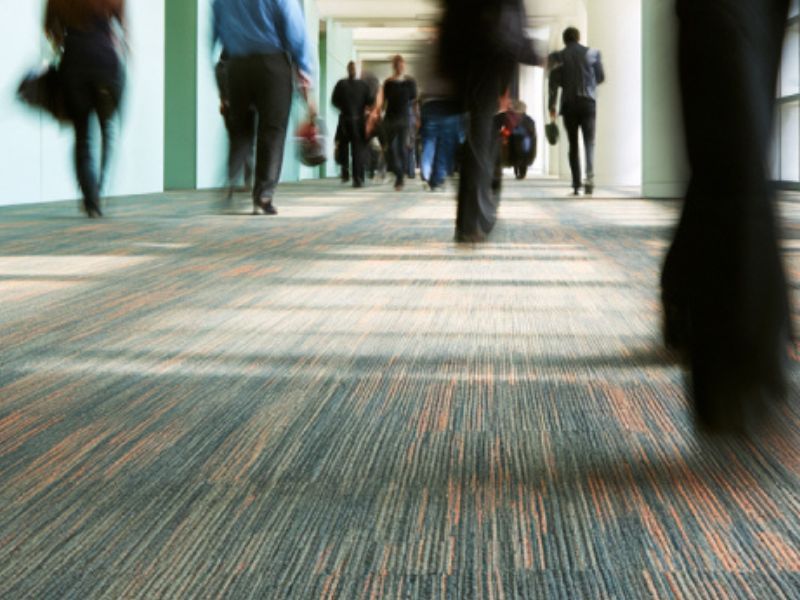
Carpet rarely becomes dirty at the same rate throughout an entire home. Hallways, stairs, entryways, family rooms, and paths between commonly used spaces usually receive substantially more foot traffic than areas along walls or underneath furniture.
These repeated walking patterns can create visible traffic lanes. Dirt is continually introduced and pressed against the fibers, causing certain areas to appear darker or duller than the surrounding carpet. Vacuuming these pathways more frequently can help control dry soil before it becomes heavily embedded.
Pet Hair Can Settle Deep Into Carpet
Pet hair is one of the most obvious challenges for carpeted homes. Some hair remains on the surface, while other strands become intertwined with carpet fibers. As people walk across the room, loose hair can work its way deeper into the pile.
Consistent vacuuming is especially important during periods of heavier shedding. Slow vacuum passes generally give the machine more opportunity to collect hair and dry debris than quickly moving across the room. Areas where pets regularly sleep or relax may also need additional passes.
Pet Dander Is Harder to See
Hair may be the most visible evidence of pets in a home, but it is not the only material they leave behind. Pets naturally shed tiny skin particles known as dander. These particles can settle onto carpet, upholstery, bedding, and other household surfaces.
Because dander is much smaller than most pet hair, homeowners may not notice how much has accumulated. Routine vacuuming helps remove loose particles from carpet, while periodic professional cleaning can address soil and debris that have become more deeply embedded over time.
Wipe Pet Paws Before They Reach the Carpet
One of the easiest ways to keep carpet cleaner is to stop dirt before it gets there. Dogs can bring soil, mud, grass, moisture, and other outdoor debris into the house on their paws. During rainy or muddy weather, a single trip outside can leave visible tracks across several rooms.
Keeping a towel near frequently used doors makes it easier to wipe paws before pets enter carpeted areas. This small habit can significantly reduce the amount of outdoor soil that eventually needs to be vacuumed or professionally removed.
Create a Shoe Routine for the Family
Shoes can carry dirt from sidewalks, parking lots, lawns, stores, schools, and countless other surfaces directly onto carpet. The material may not always be visible, but repeated shoe traffic introduces additional soil into the home every day.
Creating a designated area near the entrance for shoes can help reduce this problem. Entry mats are also useful for capturing some dirt before it travels farther into the house. These preventive measures are particularly helpful around carpeted entryways and stairs.
Keep Entry Mats Clean
Entry mats only help when they are maintained. A mat that has become saturated with dirt can eventually become another source of soil. Shoes and paws passing over it may pick up material and carry it farther into the home.
Vacuum indoor mats regularly and clean them according to their care instructions. Outdoor mats should also be shaken, swept, or cleaned periodically. Maintaining these first lines of defense can reduce the amount of debris that reaches the carpet.
Crumbs Can Disappear Into Carpet Quickly
Anyone with young children knows that food rarely stays entirely at the table. Crackers, cereal, chips, and other snacks can break into tiny pieces that disappear between carpet fibers. Even when the floor looks clean from standing height, crumbs may remain below the visible surface.
Vacuum eating areas frequently and clean spills as soon as possible. Establishing designated snack areas can also reduce how much food reaches carpeted rooms, although that may be easier said than done in a busy household.
Address Spills as Soon as Possible
Juice, milk, coffee, soda, and other beverages can quickly soak into carpet. The longer a spill remains, the farther it may spread through the fibers and potentially into the materials underneath.
When a spill occurs, remove excess liquid promptly using clean absorbent towels. Blot rather than aggressively rubbing the area. Scrubbing can spread the spill and may affect the appearance of certain carpet fibers.
After removing as much liquid as possible, follow cleaning recommendations appropriate for the carpet and the substance involved. Avoid experimenting with several different household chemicals on the same spot.
Why Scrubbing Carpet Stains Can Make Things Worse
A visible stain naturally creates the urge to scrub until it disappears. Unfortunately, aggressive scrubbing can spread contamination into a larger area and potentially distort carpet fibers. The result may be a damaged or fuzzy-looking spot even if some of the stain is removed.
Gentle blotting is usually a better first response to fresh liquid spills. Work carefully and avoid saturating the carpet with excessive cleaning solution. When a stain does not respond to appropriate spot cleaning, professional treatment may be safer than repeatedly applying stronger products.
Be Careful With DIY Carpet Cleaners
Store shelves contain dozens of sprays, powders, shampoos, and stain removers marketed for carpet. Some can be useful when applied correctly, but more cleaning solution does not necessarily produce better results.
Excessive product can leave residue within the carpet. That residue may feel sticky and can attract additional soil, causing the treated area to become dirty again quickly. Before using a product, follow its directions carefully and check recommendations from the carpet manufacturer when available.
Why Carpet Spots Sometimes Come Back
Homeowners occasionally clean a spill successfully only to see a similar-looking spot return after the carpet dries. There are several possible reasons this can happen. Residue may remain in the fibers, contamination may have traveled deeper than expected, or material from below the surface may move upward as the carpet dries.
Repeatedly soaking the area with additional cleaner may make the situation worse. When a spot continues returning despite appropriate surface cleaning, professional carpet cleaning can help determine whether deeper contamination needs to be addressed.
Pet Accidents Need Immediate Attention
Even well-trained pets can occasionally have accidents. Urine can move through carpet fibers quickly and may reach the backing or padding underneath. This makes pet accidents different from ordinary surface dirt because the visible spot may represent only part of the affected area.
Blot fresh accidents promptly to remove as much moisture as possible. Avoid heavily saturating the carpet with fragrance or cleaning products in an attempt to cover the odor. If contamination has reached below the carpet surface, professional treatment may be necessary.
Why Pet Odors Can Return
A pet accident may appear resolved immediately after cleaning, only for the odor to return later. This can happen when urine or other contamination remains within the carpet backing, padding, or nearby materials. Changes in humidity can sometimes make lingering odors more noticeable.
Deodorizing sprays may temporarily change the smell of the room, but fragrance does not remove the source of an odor. Persistent pet odors should be evaluated so the affected materials can be treated appropriately.
Do Not Let Wet Carpet Stay Damp
Children and pets can introduce moisture in many ways, from spilled drinks and pet accidents to wet shoes and paws. Small amounts of moisture can usually be addressed quickly, but larger spills should not be ignored.
Remove excess liquid promptly and encourage drying with appropriate airflow. If a significant amount of water has entered the carpet or the carpet remains wet, professional assistance may be necessary. Moisture can travel farther than the visible wet area and may affect materials underneath.
Keep Pet Food and Water Areas Clean
Pet feeding stations can create concentrated areas of carpet contamination. Water spills, dropped food, saliva, and crumbs may accumulate around bowls, particularly when pets are enthusiastic eaters or drinkers.
When possible, place bowls on a washable mat or on hard flooring. If bowls must remain in a carpeted area, inspect the surrounding carpet regularly and clean spills promptly. Allowing repeated moisture and food residue to accumulate can create stains and odors.
Clean Pet Bedding Regularly
Pet beds collect hair, dander, body oils, dirt, and other debris. If a pet moves between a dirty bed and the carpet, some of that material can continually be transferred back into the room.
Wash pet bedding according to the manufacturer’s instructions and vacuum underneath it regularly. Keeping pet resting areas clean complements carpet maintenance and helps prevent concentrated buildup in the places animals spend the most time.
Regular Grooming Can Help Your Carpet
Carpet care begins with more than the carpet itself. Regular pet grooming can reduce the amount of loose hair and debris that animals shed throughout the home. The appropriate grooming routine depends on the pet and its coat, but removing loose hair before it reaches the floor makes household cleaning easier.
Grooming is particularly helpful during heavy shedding periods. Combined with frequent vacuuming, it can reduce the amount of hair that becomes embedded in carpet and upholstered furniture.
Children Spend More Time Close to the Carpet
Adults usually experience carpet primarily by walking across it, but young children may spend hours sitting, crawling, playing, reading, and lying directly on the floor. Toys, blankets, and other belongings are also frequently placed on carpet.
This makes consistent carpet maintenance especially important in playrooms, bedrooms, and family rooms. Vacuuming these areas regularly and addressing spills promptly can help prevent everyday dirt from accumulating excessively between professional cleanings.
Playrooms Need Their Own Carpet Routine
Playroom carpet can experience a combination of heavy foot traffic, snacks, craft materials, toys, and general household debris. Because so much activity happens close to the floor, small messes can quickly spread throughout the room.
Keeping toys organized enough to expose the carpet makes vacuuming much easier. Rather than cleaning only the visible pathways, periodically move lightweight items so the entire floor can receive attention. Dirt can collect underneath toy bins, furniture, and play equipment even when those areas receive little direct traffic.
Do Not Forget Carpeted Stairs
Stairs are among the hardest-working carpeted surfaces in many homes. Foot traffic is concentrated into a relatively small area, and people repeatedly step on the same sections of each tread. Pets running up and down stairs can add hair and additional soil.
Vacuum carpeted stairs regularly using an appropriate attachment. Pay particular attention to the edges and the portion of each step where feet typically land. Because stair carpet can show wear and soil quickly, periodic professional cleaning may also be beneficial.
Move Lightweight Furniture Occasionally
Dirt and pet hair can accumulate underneath sofas, chairs, side tables, and other furniture where normal vacuuming does not reach. These hidden areas may remain untouched for months even though debris continues to work its way underneath.
When practical, move lightweight furniture periodically and vacuum underneath it. This provides a more complete cleaning and prevents large amounts of hair and dust from remaining hidden around the room.
Vacuum Along Baseboards and Edges
The center of the room usually receives most of the attention during vacuuming, but carpet edges can collect significant amounts of dust and pet hair. Air movement and everyday activity can push fine debris toward baseboards where a standard vacuum head may not reach effectively.
Use a crevice attachment periodically to clean along walls, underneath furniture edges, and around other difficult-to-reach areas. These details can make a noticeable difference in homes with pets that shed heavily.
Furniture Can Protect Carpet and Hide Dirt at the Same Time
Carpet underneath furniture usually receives less direct foot traffic, which means it may retain a cleaner appearance than exposed areas. At the same time, dust and pet hair can accumulate beneath furniture without being noticed.
When furniture is eventually rearranged, homeowners sometimes see a dramatic difference between protected carpet and high-traffic areas. Consistent cleaning helps reduce this contrast, although physical wear and sunlight exposure can also affect carpet appearance over time.
High-Traffic Carpet Can Look Different Even When It Is Clean
Not every dark or flattened area is caused entirely by dirt. Repeated foot traffic can physically alter carpet fibers over time, changing the way they reflect light. This can make certain pathways look darker or lighter depending on the viewing angle.
Professional cleaning can remove soil, but it cannot reverse all permanent wear. Understanding the difference between soiling and fiber damage helps homeowners maintain realistic expectations about what cleaning can accomplish.
Vacuum Before Carpet Looks Dirty
Waiting until carpet visibly looks dirty means a significant amount of soil may already be present. Fine particles can settle between fibers long before they become obvious from across the room.
A preventive vacuuming routine is more effective than using appearance alone to decide when cleaning is necessary. This is particularly true in homes with pets, where hair and dander are continually introduced even when the carpet does not appear heavily soiled.
Consider the Type of Carpet in Your Home
Different carpet fibers and constructions can have different maintenance requirements. Some carpets hide soil well, while others show every footprint and spill. Certain fibers may also require specific cleaning products or methods.
Check manufacturer recommendations when available, particularly before using spot treatments or rental cleaning equipment. Professional carpet cleaners can also evaluate the carpet before cleaning and choose a method appropriate for its construction and condition.
Professional Carpet Cleaning Goes Beyond Routine Vacuuming
Vacuuming is essential for controlling loose dry soil, but it cannot remove every substance that becomes attached to carpet fibers. Oils, spills, tracked-in residue, pet-related contamination, and other soils can gradually accumulate despite consistent household maintenance.
Professional carpet cleaning provides a deeper level of care by using specialized equipment and cleaning methods to loosen and remove accumulated soil. The appropriate process depends on the carpet, its condition, and the types of contamination present.
Professional Cleaning Can Target High-Use Areas
A busy household rarely has identical soil levels throughout every room. Family rooms, hallways, stairs, and children’s play areas may require more attention than guest rooms or lightly used spaces.
During professional cleaning, point out areas where pets sleep, children frequently play, spills have occurred, or traffic patterns are especially visible. Providing this information helps the cleaner understand the history of the carpet and identify areas that may need additional treatment.
Pet Stains Should Be Mentioned Before Cleaning
If pets have had accidents on the carpet, tell the cleaning technician even if the spots are no longer obvious. Knowing where contamination occurred can help determine whether those areas require additional evaluation or treatment.
Pet urine can sometimes penetrate beyond the carpet fibers, so ordinary cleaning may not address contamination that has reached deeper materials. Being upfront about known problem areas allows the cleaner to recommend the most appropriate approach.
How Often Should Homes With Kids and Pets Have Carpet Professionally Cleaned?
There is no universal cleaning schedule for every household. The appropriate frequency depends on the number of people and pets in the home, whether pets spend time outdoors, the amount of foot traffic, carpet color and construction, and how consistently the carpet is maintained between professional services.
Rather than relying entirely on a calendar, pay attention to the condition of the carpet. Visible traffic lanes, persistent odors, recurring spots, a dull appearance, or carpet that no longer seems refreshed after vacuuming can indicate that deeper cleaning may be appropriate.
Professional Cleaning Does Not Replace Routine Maintenance
Professional carpet cleaning works best as part of an ongoing maintenance routine rather than as a replacement for vacuuming and spot care. If dry soil, pet hair, and spills are allowed to accumulate for long periods, the carpet will become dirty again regardless of how thoroughly it was professionally cleaned.
Continuing good habits after professional service can help maintain the results. Regular vacuuming, clean entry mats, wiping pet paws, prompt spill cleanup, and routine pet grooming all reduce the amount of contamination reaching the carpet.
Prepare Your Home Before Professional Carpet Cleaning
Before a carpet cleaning appointment, pick up toys, pet supplies, clothing, and other small items from the floor. Ask the cleaning company whether lightweight furniture should be moved beforehand or whether technicians will provide instructions for specific items.
Identify stains and known pet accident areas so they can be discussed before cleaning begins. It can also be helpful to keep children and pets in another area while the work is being performed.
Keep Kids and Pets Off Carpet While It Dries
After professional cleaning, carpet needs adequate drying time. Allowing children or pets to immediately return to damp carpet can introduce new dirt and hair before the cleaning process is complete.
Follow the cleaner’s instructions regarding when the carpet can be used normally again. Appropriate airflow can support drying, but drying time varies depending on the cleaning method, carpet construction, indoor conditions, and amount of moisture used.
Create a Realistic Carpet Cleaning Routine
A successful carpet care routine needs to work for the household. Trying to maintain carpet as though nobody lives on it is unrealistic, particularly with young children and pets. Instead, focus on the habits that have the greatest impact.
Vacuum busy areas consistently, control dirt near entrances, clean pet bedding, wipe dirty paws, address spills promptly, and schedule deeper cleaning when routine maintenance is no longer producing the results you want. These manageable steps can make a substantial difference over time.
Keeping Carpet Cleaner in a Busy Family Home
Kids and pets bring energy, activity, and plenty of mess into a home. Carpet will inevitably encounter crumbs, dirt, hair, dander, spills, and the occasional accident. The goal is not to prevent every mess but to keep everyday contamination from building up faster than it can be managed.
Regular vacuuming removes loose soil before it becomes deeply embedded, while entry mats, shoe routines, pet grooming, and quick spill cleanup can reduce the amount of new contamination reaching the carpet. When household cleaning is no longer enough to address accumulated soil, odors, or high-traffic areas, professional carpet cleaning can provide the deeper cleaning the flooring needs.
THH Clean provides professional carpet cleaning for homes in Fairfield, Cincinnati, and surrounding Ohio communities. If kids, pets, everyday traffic, and household spills have left your carpet looking less than fresh, THH Clean can help remove accumulated soil and refresh heavily used areas throughout your home. Contact THH Clean to schedule professional carpet cleaning.
Frequently Asked Questions
How often should I vacuum carpet if I have kids and pets?
Frequency depends on the amount of traffic and shedding in your home. Busy family rooms, hallways, stairs, and pet resting areas generally need more frequent vacuuming than lightly used rooms. Vacuuming before dirt becomes visibly noticeable can help prevent dry soil from becoming deeply embedded.
How do I keep dogs from making my carpet dirty?
Wiping paws after outdoor activity, keeping entry mats clean, grooming your dog regularly, vacuuming frequently, and addressing accidents promptly can reduce the amount of pet-related soil that accumulates in carpet.
Can professional carpet cleaning remove pet odors?
Professional cleaning can help when odors are caused by removable contamination within the carpet. If pet urine has penetrated into the backing, padding, or other materials, additional treatment may be necessary and complete odor removal cannot always be guaranteed.
Why does my carpet get dirty so quickly after I clean it?
High household traffic, pets, shoes, cleaning-product residue, and outdoor soil can all contribute to rapid resoiling. Using too much DIY cleaning product can also leave residue that attracts dirt. Preventive maintenance and appropriate professional cleaning can help address these issues.
Is professional carpet cleaning worth it for homes with pets?
Professional cleaning can be particularly useful in pet-friendly homes because vacuuming primarily addresses loose dry debris. Deeper cleaning can help remove accumulated soil, oils, residue, and other contamination that routine vacuuming may leave behind.