Move-In and Move-Out Cleaning: What Should Be Included?
[ez-toc]
Moving is already a major project before cleaning is added to the list. Between packing boxes, scheduling movers, changing utilities, managing paperwork, and trying to keep track of everything that needs to happen before moving day, cleaning can easily become one of the last tasks anyone wants to handle. Unfortunately, it is also one of the most important.
Move-in and move-out cleaning go beyond ordinary weekly housekeeping. When a home is empty or nearly empty, cleaners can reach areas that are normally blocked by furniture, appliances, boxes, and personal belongings. Cabinets can be wiped inside, baseboards become easier to access, floors can be cleaned from wall to wall, and forgotten areas that may have accumulated dust for years are finally exposed.
Whether you are preparing to hand over the keys to your old home or getting ready to unpack in a new one, knowing what should be included in a thorough move cleaning can help you plan ahead and avoid overlooking important areas.
What Is Move-In and Move-Out Cleaning?
Move-in and move-out cleaning is a more detailed cleaning service designed for homes that are changing occupants. While the exact scope can vary, these services typically focus on cleaning the property once furniture and personal belongings have been removed or before new belongings are brought inside.
A standard recurring house cleaning usually concentrates on surfaces and areas that are used every day. Move cleaning often goes deeper because there is greater access to the entire property. Empty cabinets, closets, floors, baseboards, appliances, and other areas can be cleaned more thoroughly than they might be during a normal housekeeping appointment.
Is Move-In Cleaning Different From Move-Out Cleaning?
The actual cleaning tasks may overlap considerably, but the goals are slightly different. Move-out cleaning focuses on leaving the property clean for the next occupant, landlord, buyer, or property manager. Move-in cleaning focuses on preparing the home for you and your belongings.
When moving out, homeowners and renters often want the property to look well maintained during a final walkthrough or closing. When moving in, people generally want to know that kitchens, bathrooms, floors, cabinets, and other surfaces have been cleaned before they begin unpacking. In both cases, having the home mostly empty makes detailed cleaning much easier.
Why Clean an Empty Home?
An empty home provides access that is nearly impossible to achieve during ordinary cleaning. Once furniture is gone, cleaners can reach the floor underneath beds, sofas, dressers, and dining tables. Empty cabinets can be wiped inside instead of simply cleaning their exterior doors. Closets can be vacuumed or mopped from corner to corner.
This is also when hidden dirt becomes easier to see. Dust lines behind furniture, crumbs beneath appliances, scuff marks along baseboards, and debris in closets may have been concealed for years. Cleaning while the house is empty gives you an opportunity to address these areas before they disappear behind furniture again.
Start With the Kitchen
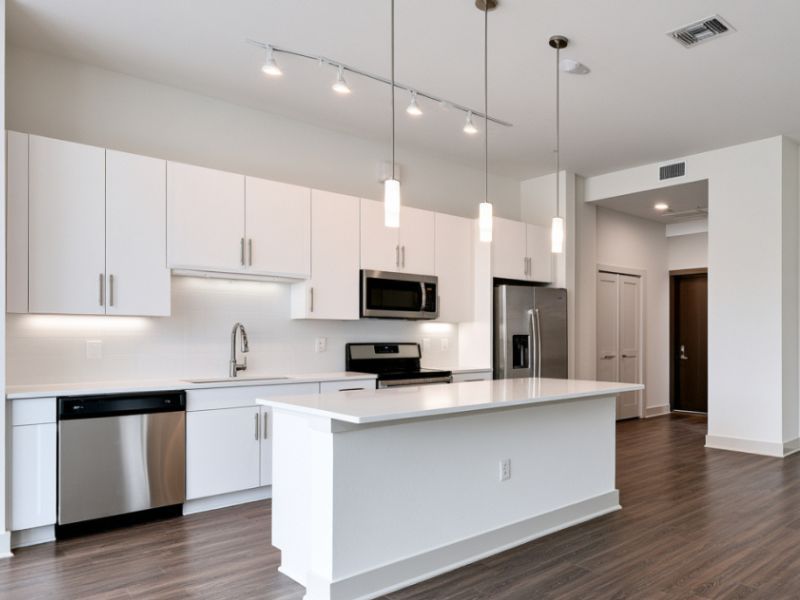
The kitchen is usually one of the most labor-intensive areas during a move cleaning because it contains so many surfaces, cabinets, appliances, and areas where grease and food residue can accumulate. Even a kitchen that looks tidy may contain crumbs inside drawers, sticky cabinet shelves, grease around the stove, or residue behind appliances.
A detailed move-in or move-out cleaning should address accessible countertops, cabinet fronts, sinks, backsplashes, appliance exteriors, and floors. Depending on the service agreement, cleaners may also wipe inside empty cabinets and drawers so the next occupant has a cleaner space for dishes, cookware, and food storage.
Clean Inside Empty Kitchen Cabinets
Cabinet interiors are easy to overlook during normal housekeeping because they are usually filled with dishes, food, cookware, and other belongings. Moving provides one of the few opportunities to clean these spaces completely.
Once cabinets are empty, shelves can be wiped to remove dust, crumbs, spills, and other residue. Drawer interiors deserve the same attention. This is particularly valuable before moving into a home because you can clean storage areas before placing clean dishes and pantry items inside them.
Kitchen Cabinet Exteriors Need Attention Too
Cabinet doors and drawer fronts can accumulate fingerprints, cooking residue, dust, and splashes over time. Areas near handles are particularly likely to show buildup because they are touched repeatedly.
The cleaning method should be appropriate for the cabinet material and finish. Painted cabinetry, natural wood, laminate, and other surfaces may have different care requirements. The goal is to remove everyday residue without damaging the finish.
Countertops and Backsplashes Should Be Thoroughly Cleaned
Kitchen countertops see constant contact with food, dishes, appliances, mail, grocery bags, and everyday household activity. Before moving into a home, cleaning these surfaces provides a fresh starting point before food preparation begins.
Backsplashes also collect splatters and residue, especially near sinks and cooking areas. Different stone, tile, laminate, and manufactured surfaces require appropriate cleaning products, so cleaners should take the material into consideration rather than using one chemical on every surface.
The Sink and Faucet Need Detailed Cleaning
Kitchen sinks can accumulate food residue, mineral deposits, soap film, and other buildup. Faucets and handles also collect fingerprints and water spots. During move cleaning, the sink area should receive more than a quick wipe.
The appropriate cleaning method depends on the sink material and fixtures, but visible residue should be removed and surrounding surfaces cleaned. This makes the kitchen feel substantially fresher when the next occupant begins using it.
Appliance Exteriors Should Be Wiped Down
Refrigerators, ovens, dishwashers, microwaves, and other appliances can collect grease, fingerprints, dust, and food residue on their exterior surfaces. Handles often show some of the heaviest buildup because they are touched repeatedly throughout the day.
Move cleaning should generally include accessible exterior appliance surfaces. Stainless steel and specialty finishes may require specific products to avoid streaks or damage, so appropriate cleaning methods should be used.
Should the Inside of Appliances Be Cleaned?
Interior appliance cleaning may or may not be included in a standard move service, so it should be discussed ahead of time. Oven interiors, refrigerators, and other appliances can require considerably more labor than exterior cleaning and are often treated as add-on services.
If you are moving out, cleaning food residue and spills from an empty refrigerator can leave the kitchen in much better condition. If you are moving in, cleaning the interior before storing groceries gives you a fresh starting point without having to unload the appliance later.
Don’t Forget the Area Around Appliances
Crumbs, grease, dust, pet hair, and other debris can accumulate around refrigerators, stoves, and other appliances. Much of this buildup remains hidden because these appliances may stay in the same position for years.
When appliances are safely movable and the service includes the area behind or underneath them, move cleaning can reveal significant hidden debris. However, cleaners should not move large appliances unless the service agreement and equipment allow it safely.
Bathrooms Need Detailed Cleaning Before a Move
Bathrooms are another high-priority area because they are used frequently and deal with moisture, soap residue, hair, personal care products, and everyday buildup. Toilets, sinks, showers, tubs, mirrors, and floors all need attention.
Move-in cleaning is particularly valuable in bathrooms because new occupants can begin using the space without cleaning around someone else’s residue first. Move-out cleaning provides the same courtesy to the next occupant while helping the property look more maintained during the final walkthrough.
Clean Toilets Thoroughly
Toilets should be cleaned inside and around the exterior, including the seat, lid, tank, and accessible areas around the base. The surrounding floor may also need additional attention because dust, hair, and residue can collect in areas that ordinary cleaning misses.
A detailed bathroom cleaning should address the entire fixture rather than only the most visible surfaces. This is particularly important when preparing a bathroom for a new occupant.
Sinks, Vanities, and Faucets Need Attention
Bathroom sinks and vanities can collect toothpaste, soap residue, cosmetics, hair, water spots, and other everyday debris. Empty vanities also provide an opportunity to wipe shelves or drawers if interior cabinet cleaning is included in the service.
Faucets and handles should be cleaned using products appropriate for their finish. Mineral buildup may require additional attention depending on water conditions and how long the deposits have been present.
Showers and Tubs Often Need Extra Work
Soap residue, body oils, water deposits, and product buildup can accumulate on showers and tubs over time. Glass doors may also develop spotting, while tile and grout can become visibly discolored in frequently used areas.
Move cleaning can improve the overall appearance of these surfaces, although severe mineral deposits, damaged grout, permanent staining, or other conditions may require specialized services beyond standard housekeeping. Setting expectations before cleaning begins helps distinguish ordinary buildup from problems that need restoration or repair.
Mirrors and Glass Should Be Cleaned
Bathroom mirrors can quickly collect water spots, toothpaste spray, fingerprints, and streaks. Glass shower doors may show similar residue. Cleaning these surfaces helps the bathroom look noticeably brighter and more finished.
Glass should be cleaned with appropriate products to minimize streaking. Frames, edges, and surrounding surfaces may also collect dust and should not be overlooked during a detailed move cleaning.
Floors Need Wall-to-Wall Attention
One of the biggest benefits of cleaning an empty property is complete access to the flooring. During ordinary housekeeping, furniture blocks substantial portions of the floor. After a move, those areas are exposed and can be cleaned along with the rest of the room.
Vacuuming, sweeping, and mopping should be performed according to the flooring material. Carpet, tile, hardwood, laminate, luxury vinyl, and other surfaces each have different maintenance requirements. Using methods appropriate for the specific floor helps remove dirt without causing unnecessary damage.
Vacuum Carpet Thoroughly
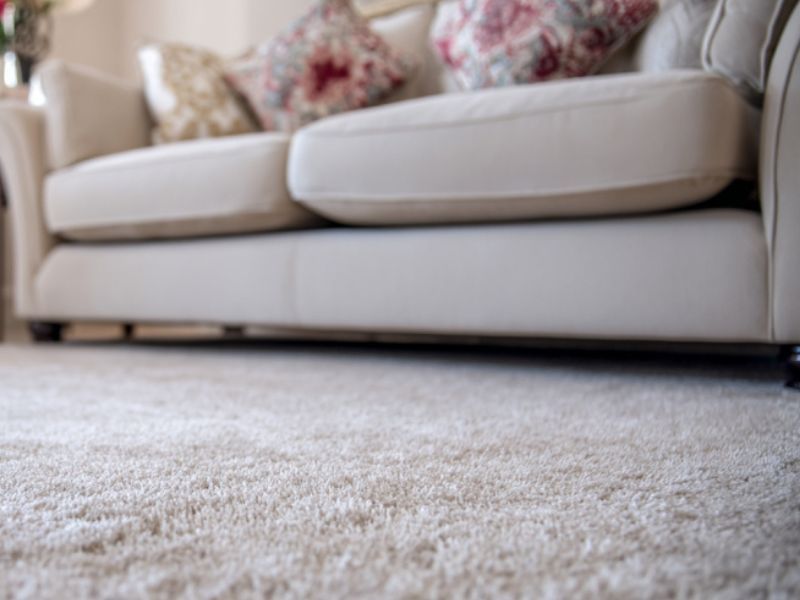
Once rooms are empty, carpet can be vacuumed from wall to wall rather than only around furniture. Pay additional attention to edges, corners, closets, and areas that were previously beneath beds or sofas.
Vacuuming removes loose dry soil, pet hair, crumbs, and other debris, but it does not replace professional carpet cleaning when deeper soil or stains are present. If carpet is visibly dirty or has odors and traffic lanes, scheduling a separate professional carpet cleaning may be worth considering before moving in or turning over the property.
Consider Professional Carpet Cleaning Before Moving In
An empty home is an ideal time for professional carpet cleaning because technicians can access nearly the entire floor without navigating around furniture. After cleaning, the carpet also has time to dry before heavy furniture and boxes are placed throughout the room.
For move-in situations, this means you can start with professionally cleaned carpet rather than trying to schedule the service after your belongings have already been unpacked. Move-out carpet cleaning may also be required by a lease or requested by a property manager, so renters should check their agreement before moving.
Hard Floors Need More Than a Quick Sweep
Hard floors often look relatively clean until furniture is removed. Once the room is empty, dust lines, spills, pet hair, sticky residue, and other hidden debris can become much easier to see.
The floor should first be cleared of loose soil before wet cleaning begins. The cleaning product and method should be appropriate for the flooring material. Excessive water or harsh products can damage certain surfaces, so hardwood and other moisture-sensitive flooring need particular care.
Baseboards Are Easier to Clean in an Empty House
Baseboards are frequently forgotten during routine housekeeping because furniture blocks access and attention naturally goes toward more visible surfaces. Over time, dust, hair, scuffs, and other residue can collect along them.
During move cleaning, baseboards should be dusted or wiped as appropriate. In an empty room, this relatively small detail can make the entire space look more finished because there are no furnishings hiding neglected edges.
Doors and Door Frames Collect More Dirt Than You Think
Doors are touched constantly, particularly around handles and edges. Fingerprints, dust, and scuff marks can gradually build up without being obvious until the rest of the room is empty and freshly cleaned.
Door surfaces, frames, and accessible handles can be wiped during move cleaning. The appropriate method depends on the finish and material, especially with painted or stained wood doors.
Light Switches and Other High-Touch Areas Need Attention
Light switches, door handles, cabinet pulls, and similar touchpoints are used repeatedly but are easy to overlook during an ordinary cleaning routine. Once the home is empty, these areas can be addressed systematically from room to room.
Cleaning removes visible soil and residue. If disinfection is also desired, appropriate products should be used according to their label directions and the material being treated. Cleaning and disinfecting are separate processes and should not automatically be treated as interchangeable.
Closets Should Be Cleaned Before They Are Filled Again
An empty closet is much easier to clean than one filled with clothing, shoes, boxes, and storage containers. Once belongings are removed, shelves can be dusted, floors vacuumed or mopped, and corners checked for debris.
For move-in cleaning, handling this before unpacking prevents you from placing clean clothing into dusty storage areas. It also provides a chance to inspect closets for stains, damage, or maintenance concerns before they disappear behind your belongings.
Built-In Shelves and Storage Areas Need Cleaning
Bookshelves, linen cabinets, pantry shelving, and other built-in storage areas can accumulate dust and debris over time. When emptied during a move, these areas should be included in the cleaning plan if they are accessible.
Move-in cleaning is particularly useful for pantries because shelves can be cleaned before food is stored. This saves homeowners from having to remove everything later for a more thorough cleaning.
Window Sills and Interior Frames Collect Dust
Window sills, tracks, and interior frames can collect dust, insects, pet hair, and other debris. These areas are often overlooked when curtains, blinds, or furniture are positioned nearby.
Accessible sills and frames can be dusted or wiped as part of a detailed move cleaning. Full window washing, exterior glass cleaning, and detailed track restoration may be separate services depending on the cleaning company.
Ceiling Fans and Light Fixtures May Need Dusting
Dust accumulates on ceiling fan blades, light fixtures, and other elevated surfaces even when they are difficult to see from the floor. When a fan begins running after weeks or months of dust buildup, some of that material can be redistributed into the room.
Accessible fans and fixtures may be included in move cleaning depending on height and service scope. Safety matters, so areas requiring specialized ladders or equipment should be discussed in advance rather than assumed to be included.
Walls May Need Spot Cleaning
Walls can develop fingerprints, scuff marks, small splashes, and other visible spots, particularly in hallways, children’s rooms, kitchens, and areas near light switches. Move cleaning may include spot cleaning where appropriate.
Not every wall finish tolerates wet cleaning equally well, and some marks may involve damaged or missing paint rather than removable soil. Cleaners should use caution and avoid aggressive scrubbing that could create a more noticeable problem.
Don’t Forget Laundry Areas
Laundry rooms and closets collect lint, dust, detergent residue, and debris around appliances. Floors can be particularly dirty where baskets, machines, and stored products have hidden sections for long periods.
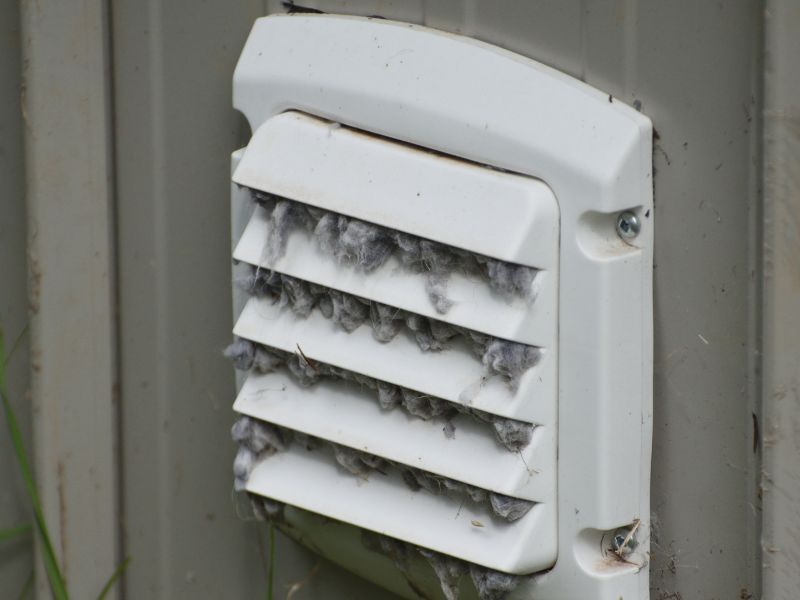
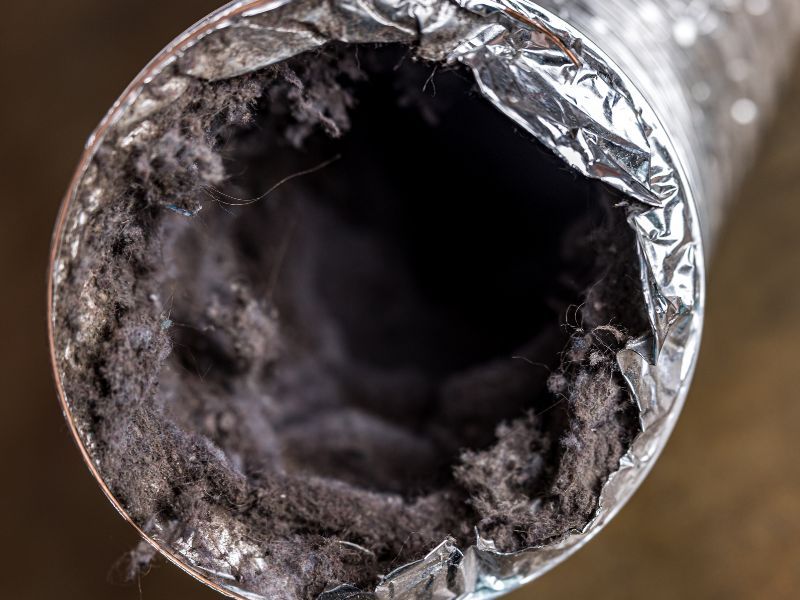
Once belongings are removed, accessible surfaces can be wiped and floors cleaned. Dryer lint should also be removed from accessible areas around the machine, although professional dryer vent cleaning is a separate service from ordinary move cleaning.
Utility Rooms and Mechanical Areas Need Basic Cleaning Too
Utility rooms, furnace closets, and similar spaces may not need the same level of cleaning as kitchens and bathrooms, but they can still collect significant dust and debris. A move provides an opportunity to remove loose dirt and inspect these areas before storage begins accumulating again.
Cleaners should avoid interfering with HVAC, plumbing, electrical, or other mechanical equipment. Maintenance and repair of these systems should be handled by qualified professionals rather than included as ordinary housekeeping tasks.
Garages Can Be Included in a Move Cleaning Plan
Garages often become holding areas for boxes, tools, outdoor equipment, and items waiting to be moved. Once emptied, the floor may reveal leaves, dirt, cobwebs, oil spots, and other accumulated debris.
Basic garage sweeping may be included in some move-out services, but heavy staining, oil cleanup, pressure washing, or extensive debris removal may require additional services. If the garage is important to your move cleaning, discuss exactly what is included before the appointment.
Move-Out Cleaning for Renters
Renters often have additional motivation to leave the property clean because the condition of the unit may be considered during the final inspection. Lease agreements can contain specific move-out requirements, so tenants should review their documents well before moving day.
Professional move-out cleaning can reduce the amount of work renters need to complete during an already busy move. However, cleaning cannot repair damage such as holes, broken fixtures, missing paint, or damaged flooring. Those concerns need to be addressed separately.
Move-Out Cleaning for Home Sellers
For homeowners selling a property, cleaning after furniture has been removed can leave the house looking more polished for the buyer’s final walkthrough. Empty floors, clean bathrooms, wiped cabinets, and a tidy kitchen can create a more welcoming handoff.
Even when a home has already been professionally staged or cleaned for showings, another cleaning may be useful after moving boxes and furniture have passed through the property. Moving itself can introduce dust, footprints, packing debris, and scuff marks that were not present earlier.
Move-In Cleaning for Homebuyers
Homebuyers may receive a property that looks relatively clean at closing, but that does not necessarily mean every cabinet, closet, baseboard, and hidden floor area has been thoroughly cleaned. A dedicated move-in service allows the home to be cleaned according to your expectations before unpacking begins.
Scheduling cleaning between receiving the keys and the arrival of furniture is ideal whenever timing allows. Cleaners can move efficiently through empty rooms, and floors have time to dry before boxes and furnishings are placed throughout the property.
Move-In Cleaning for Renters
A rental may have been cleaned between occupants, but renters may still prefer to arrange their own move-in cleaning before settling in. This provides an opportunity to focus on kitchens, bathrooms, cabinets, closets, and flooring before personal belongings fill the space.
If there are maintenance concerns, damage, or unusually dirty areas when you receive the keys, document them and communicate with the landlord or property manager before assuming they are simply cleaning issues.
Should You Clean Before or After the Movers Come?
For move-out cleaning, the best results usually come after most or all belongings have been removed. This gives cleaners full access to the floors, cabinets, closets, and areas behind furniture. A final cleaning after movers leave can also remove footprints and debris created during the moving process.
For move-in cleaning, schedule service before the movers arrive whenever possible. Cleaning an empty property is more efficient and prevents clean floors and surfaces from immediately being blocked by stacks of boxes.
Remove Personal Belongings Before the Cleaners Arrive
Move cleaners can work more efficiently when rooms are empty and surfaces are accessible. Boxes, clothing, trash bags, and miscellaneous items can prevent certain areas from being cleaned thoroughly.
If you are moving out, finish packing before the cleaning appointment whenever possible. If you are moving in, keep the cleaning appointment ahead of furniture delivery. A little scheduling can make a significant difference in how much of the property can be reached.
Remove Trash and Unwanted Items
House cleaning and junk removal are not necessarily the same service. Large quantities of discarded belongings, furniture, construction debris, or other unwanted items may need to be removed before the cleaning company arrives.
Ask the cleaner about ordinary household trash and whether it is included. Clearing the property first allows the cleaning crew to focus on actual cleaning rather than sorting or hauling unwanted belongings.
Make Sure Utilities Are Still On
Water and electricity may be necessary for professional cleaning. If you are moving out, avoid scheduling utility shutoff before the cleaning appointment unless the company has specifically confirmed that service can be completed without them.
Running water is needed for many kitchen, bathroom, and floor-cleaning tasks, while electricity may be necessary for vacuums and other equipment. Keeping utilities active until the cleaning is complete can prevent unexpected delays.
What May Not Be Included in Standard Move Cleaning?
It is important to understand that “move-out cleaning” does not automatically mean every possible cleaning task is included. Interior oven cleaning, refrigerator interiors, full window washing, carpet cleaning, wall washing, heavy stain removal, garages, exterior cleaning, and other detailed services may require additional time or fees.
Ask for the company’s checklist before the appointment so you know exactly what is included. If there are areas that matter particularly to you, mention them ahead of time rather than assuming they will automatically be covered.
Professional Carpet Cleaning May Be a Separate Service
Vacuuming is often included in general move cleaning, but professional carpet cleaning usually requires specialized equipment and is commonly treated as a separate service. If carpet has visible traffic lanes, stains, pet odors, or years of accumulated soil, vacuuming alone may not provide the result you want.
Scheduling carpet cleaning while the home is empty is particularly convenient because technicians have unobstructed access to the flooring. Ask whether carpet cleaning can be coordinated with your move-in or move-out service.
Tile and Grout May Need Deeper Cleaning
Routine mopping removes everyday surface soil, but grout can accumulate dirt that ordinary cleaning does not fully address. If kitchen, bathroom, or entryway grout has become significantly darker over time, professional tile and grout cleaning may be worth adding to the move.
This type of deeper cleaning is different from standard housekeeping and generally uses specialized equipment. An empty home is an excellent opportunity to address flooring before furniture and rugs cover it again.
Move Cleaning After Renovation May Require More Work
If a home has recently been remodeled before a move, ordinary move cleaning may not be enough. Construction dust is extremely fine and can spread onto floors, cabinets, shelves, windows, fixtures, and other surfaces throughout the property.
Post-construction or renovation cleaning is usually more detailed because it involves removing significant amounts of fine dust and building debris. If renovation work has recently been completed, tell the cleaning company beforehand so the appropriate type of service can be scheduled.
How Long Does Move-In or Move-Out Cleaning Take?
Cleaning time depends on the size and condition of the property, how recently it was cleaned, the number of kitchens and bathrooms, whether cabinets and appliances are included, and how many additional services are requested.
An empty house that has been consistently maintained may require much less time than a similar-sized property with years of heavy buildup. Rather than relying solely on square footage, provide the cleaning company with accurate information about the condition and desired scope of work.
How to Prepare for Move-In or Move-Out Cleaning
Preparation can make the cleaning appointment much smoother. Remove belongings, empty cabinets that are supposed to be cleaned, clear countertops, dispose of unwanted items, and confirm that water and electricity are available. If appliances or other large items will remain, discuss whether cleaners need access behind or underneath them.
Make a note of any specific concerns before the crew arrives. Stains, pet areas, dirty appliances, heavy bathroom buildup, or rooms needing additional attention should be mentioned so expectations are clear from the beginning.
Why Professional Move Cleaning Can Be Worth It
Moving requires enough time and energy without spending the final hours scrubbing bathrooms and wiping kitchen cabinets. Professional move cleaning allows homeowners and renters to focus on packing, transportation, paperwork, and settling into the next property while the cleaning is handled separately.
Professional cleaners also approach the property systematically, reducing the chance that easy-to-forget areas such as closet shelves, baseboards, cabinet interiors, and empty-room edges will be overlooked. For larger homes or moves with tight schedules, that can make the transition considerably easier.
Start or End Your Move With a Cleaner Home
Move-in and move-out cleaning is about more than making a home look tidy. It is an opportunity to clean spaces that may have been hidden behind furniture and belongings for years. Kitchens, bathrooms, cabinets, closets, baseboards, floors, doors, and other surfaces can all receive attention while the property is empty and easy to access.
The exact cleaning checklist should be based on the condition of the property and what is included in the service. Some homes may only need a thorough general cleaning, while others benefit from additional carpet cleaning, tile and grout cleaning, appliance cleaning, or renovation cleanup. Planning these services before moving day helps prevent last-minute surprises.
THH Clean provides professional move-in and move-out cleaning for homes in Fairfield, Cincinnati, and surrounding Ohio communities. Whether you are preparing a property for the next occupant or want your new home cleaned before you unpack, THH Clean can help clean the kitchens, bathrooms, floors, storage areas, and other spaces that need attention during a move. Contact THH Clean to schedule move-in or move-out cleaning for your property.
Frequently Asked Questions
What is normally included in move-out cleaning?
Move-out cleaning commonly includes kitchens, bathrooms, floors, baseboards, accessible surfaces, empty closets, and general dust and debris removal. Interior appliances, carpet cleaning, windows, garages, and other detailed services may be separate, so always confirm the company’s specific checklist.
Should I clean my new house before moving in?
Cleaning before moving in gives you an opportunity to address cabinets, closets, bathrooms, floors, and other surfaces while the home is empty. It is also much easier to clean wall-to-wall flooring before furniture and boxes are brought inside.
Should move-out cleaning happen before or after movers?
Move-out cleaning is usually most effective after furniture and belongings have been removed. This provides access to hidden floors, baseboards, closets, and other areas while also allowing cleaners to remove dirt or footprints created during the moving process.
Does move-out cleaning include carpet cleaning?
Professional carpet cleaning is often a separate service because it requires specialized equipment and additional time. General move cleaning may include vacuuming, but deeper carpet cleaning should be confirmed when scheduling.
Do I need to empty cabinets for move-out cleaning?
If the inside of cabinets and drawers will be cleaned, they should generally be empty before the cleaners arrive. Removing belongings allows shelves and interior surfaces to be cleaned thoroughly and helps the crew work more efficiently.