Hard Water Stains on Tile in Fairfield: Why They Happen & How to Beat Them
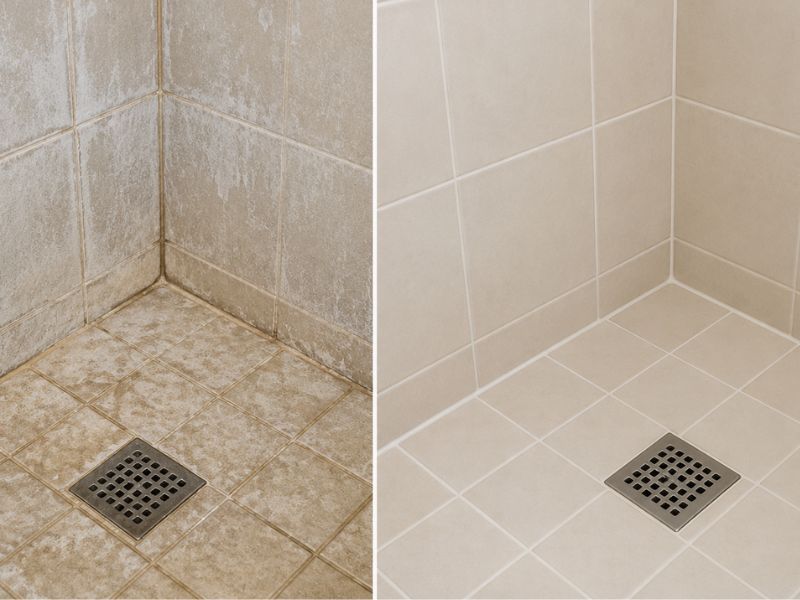
Hard water stains can make otherwise clean tile look dull, cloudy, and neglected. For many Fairfield homeowners, these chalky white marks show up around showers, bathroom floors, backsplashes, and other areas where water regularly dries on tile surfaces. At THH Cleaning, we often help homeowners restore the appearance of tile and grout cleaning in Fairfield when hard water buildup has become too stubborn for normal household cleaning.
Hard water stains are not just a surface-level annoyance. Over time, mineral deposits can cling to tile, settle into grout lines, and make routine cleaning feel frustrating. Understanding why these stains happen, where they come from, and how to treat them properly can help you keep your tile looking brighter, cleaner, and better maintained.
What Hard Water Stains Are and Why They Form on Tile
Hard water stains are mineral deposits left behind when water evaporates. Water that contains higher levels of minerals such as calcium and magnesium can leave a cloudy, white, gray, or chalky residue on tile surfaces.
When water splashes onto tile and is allowed to dry, the liquid evaporates but the minerals remain. Over time, those minerals build up layer by layer, creating stubborn stains that regular wiping may not remove.
These stains are especially common in bathrooms, showers, laundry areas, and kitchens because these spaces experience frequent water exposure. Tile may still be structurally sound, but the buildup can make it look older, duller, and harder to clean.
Why Fairfield Homes Often Deal with Hard Water Buildup
Many homes experience some level of mineral content in their water. In Fairfield, hard water stains can become noticeable in areas where water repeatedly dries on tile, glass, fixtures, and grout.
Bathrooms tend to show the most obvious signs because shower walls and floors are exposed to water every day. Kitchens may also develop mineral spotting near sinks, backsplashes, and tiled countertops.
Even if your home is cleaned regularly, hard water stains can still develop. The problem is not always poor cleaning habits. In many cases, the minerals in the water simply leave behind residue faster than normal cleaning can keep up with.
How Hard Water Affects Tile Appearance
Hard water stains can change the look of tile in several ways. Glossy tile may lose its shine, darker tile may show white streaks, and textured tile may trap mineral residue in small grooves.
Over time, these deposits can make tile look cloudy or uneven. What once looked polished and clean may start to appear faded or dirty even after scrubbing.
Hard water can be especially frustrating because the stains often return quickly after cleaning if the underlying buildup is not fully removed. This creates a cycle where homeowners clean the same area repeatedly without seeing lasting results.
How Hard Water Stains Impact Grout Lines
Grout is more porous than tile, which means it can absorb and hold onto residue more easily. When hard water minerals settle into grout lines, they can make the grout look discolored, chalky, or uneven.
In showers and bathrooms, mineral buildup may combine with soap residue, body oils, and moisture. This can create a stubborn layer that is difficult to remove with basic household cleaners.
Once grout becomes heavily stained, it may look dirty even when it has been recently cleaned. Professional cleaning can help lift embedded residue and restore a cleaner, more consistent appearance.
Common Places Hard Water Stains Show Up on Tile
Hard water stains can appear anywhere water regularly touches tile and dries in place. Some areas are more likely to develop buildup because they are exposed to moisture every day.
Common problem areas include:
- Shower walls
- Shower floors
- Bathroom tile floors
- Tile around bathtubs
- Kitchen backsplashes
- Laundry room tile
- Tile near sinks
- Grout lines in damp areas
Shower tile is often the biggest challenge because water, soap, shampoo, and minerals all collect in the same space. If the area does not dry quickly, buildup can become more noticeable.
Why Regular Household Cleaners May Not Remove Hard Water Stains
Many household cleaners are designed for everyday dirt, light soap residue, and surface messes. Hard water stains are different because they are mineral-based deposits that bond to the surface over time.
Basic sprays may temporarily make tile look cleaner, but they often do not break down the mineral buildup completely. Once the surface dries, the cloudy residue may reappear.
Scrubbing harder is not always the answer. Aggressive scrubbing can damage grout, scratch certain tile finishes, or wear down sealants. The key is using the right cleaning method for the type of tile, level of buildup, and condition of the grout.
DIY Mistakes That Can Make Tile and Grout Problems Worse
Homeowners often try to remove hard water stains with whatever cleaner they already have under the sink. While some DIY methods may help with light buildup, others can create new problems.
Common mistakes include:
- Using harsh acidic cleaners on sensitive stone tile
- Scrubbing grout with overly abrasive brushes
- Mixing cleaning chemicals
- Using too much cleaner and leaving residue behind
- Ignoring the grout while focusing only on tile
- Allowing water to sit after cleaning
- Using products not designed for the tile material
Some natural stone tiles are especially sensitive to acidic products. A cleaner that works on ceramic tile may damage marble, travertine, limestone, or other delicate surfaces.
How Professional Tile Cleaning Removes Mineral Buildup
Professional tile cleaning targets the buildup that normal mopping and wiping leave behind. Instead of simply cleaning the surface, professional methods help loosen and remove embedded residue from tile and grout.
The process may include inspection, pre-treatment, agitation, extraction, and detailed cleaning of grout lines. The exact approach depends on the tile material, the severity of the hard water staining, and the condition of the grout.
Professional cleaning is especially helpful when stains have been building for months or years. It can restore brightness, improve the look of grout, and make ongoing maintenance easier.
Why Grout Cleaning Matters as Much as Tile Cleaning
Tile often gets the most attention because it covers the largest surface area, but grout lines play a major role in how clean the entire floor or shower looks. Dingy grout can make even clean tile appear dirty.
Hard water minerals, soap residue, and soil can settle into grout and create discoloration. Since grout is textured and porous, it can be difficult to clean thoroughly with basic tools.
Professional grout cleaning helps remove buildup from those narrow lines and restore a more uniform appearance. When both tile and grout are cleaned properly, the entire surface looks brighter and more refreshed.
How to Prevent Hard Water Stains from Coming Back Quickly
Once hard water stains are removed, prevention becomes important. While you may not be able to eliminate mineral content from your water without a water treatment system, you can reduce how quickly stains return.
Helpful prevention tips include:
- Wipe shower tile after use
- Use a squeegee on wet tile surfaces
- Improve bathroom ventilation
- Clean light residue before it hardens
- Dry areas around sinks and backsplashes
- Avoid letting water sit on tile floors
- Schedule routine professional cleaning
The goal is to reduce the amount of water that dries on the tile. Less standing water means fewer minerals are left behind.
When Hard Water Stains Need Professional Attention
Light hard water spots may respond to regular cleaning, but heavier buildup often requires professional help. If stains keep returning, grout remains discolored, or tile looks cloudy no matter how much you clean, it may be time for a deeper service.
Professional cleaning is also a smart choice when you are unsure what type of tile you have. Using the wrong product on the wrong surface can cause damage, especially with natural stone.
If your shower, bathroom floor, or kitchen tile has lost its shine because of mineral buildup, professional cleaning can help restore a cleaner appearance without unnecessary guesswork.
Why Fairfield Homeowners Choose THH Cleaning
THH Cleaning understands how frustrating hard water stains can be for homeowners. You can spend time scrubbing, spraying, and wiping only to see the same cloudy marks return after the surface dries.
Our team helps Fairfield homeowners restore tile and grout surfaces with cleaning methods designed to address buildup, discoloration, and stubborn residue. We focus on helping your tile look cleaner while making routine maintenance easier moving forward.
Whether your problem area is a shower, bathroom floor, kitchen backsplash, or grout line, THH Cleaning can help you find a practical solution for hard water stains and tile buildup.
Final Thoughts About Hard Water Stains on Tile in Fairfield
Hard water stains happen when mineral-rich water dries on tile and leaves deposits behind. Over time, these stains can make tile look dull, grout look discolored, and bathrooms or kitchens feel harder to maintain.
With the right cleaning approach, hard water buildup can be removed and managed more effectively. THH Cleaning helps Fairfield homeowners protect the appearance of their tile surfaces with professional tile and grout cleaning designed to address stubborn stains, mineral residue, and everyday buildup.
Frequently Asked Questions About Hard Water Stains on Tile in Fairfield
What causes hard water stains on tile?
Hard water stains are caused by minerals such as calcium and magnesium left behind when water evaporates. These deposits build up over time and create cloudy or chalky marks on tile.
Can hard water stains damage tile?
Hard water stains mainly affect appearance, but long-term buildup can make tile and grout harder to clean. On certain surfaces, improper cleaning attempts can cause more damage than the stains themselves.
Why do hard water stains keep coming back?
They return because water continues to leave minerals behind when it dries. Removing buildup and drying surfaces after use can help slow down how quickly stains come back.
Can I remove hard water stains myself?
Light stains may be manageable with safe cleaning methods, but heavy buildup often needs professional cleaning. It is important to avoid harsh products that could damage sensitive tile or grout.
Does grout hold hard water stains?
Yes. Grout is porous and can trap mineral deposits, soap residue, and dirt. This can make grout lines look discolored even after regular cleaning.
How often should tile and grout be professionally cleaned?
Many homeowners benefit from professional tile and grout cleaning once a year, but high-use bathrooms and showers may need service more often. The best schedule depends on water exposure, household use, and the condition of the tile.