
Why Grout Changes Color Over Time

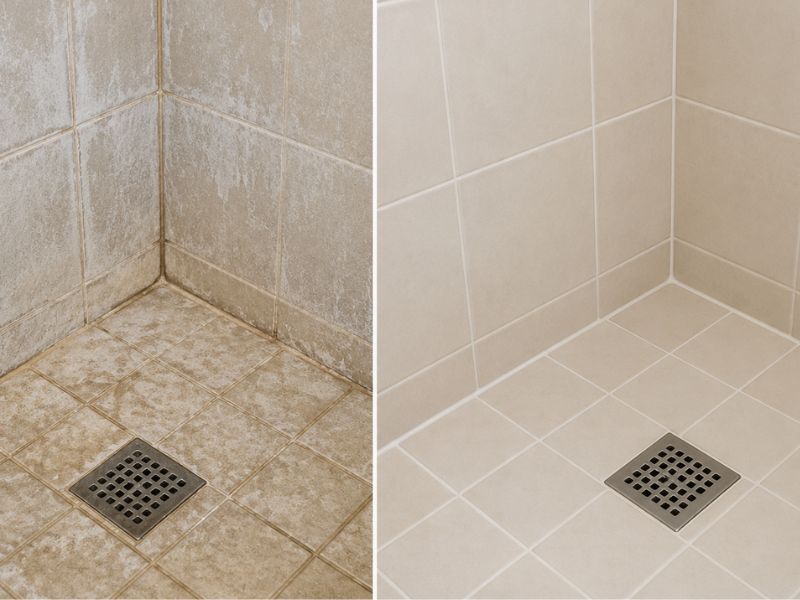
Grout changes color over time because it absorbs dirt, moisture, oils, cleaning product residue, and other contaminants. Grout lines may gradually turn darker, yellow, brown, or gray, depending on the type of buildup and surrounding conditions. In some cases, discoloration is caused by surface stains that professional cleaning can remove. In others, mineral deposits, moisture damage, or changes within the grout itself may require additional treatment.

For homeowners in Fairfield, Hamilton, West Chester, and surrounding Southwest Ohio communities, discolored grout is a common problem in kitchens, bathrooms, showers, and high-traffic tile floors. THH Clean provides professional tile and grout cleaning services to help homeowners address embedded grime and restore a cleaner, more consistent appearance to their tiled surfaces.

Understanding why grout changes color is the first step toward choosing the right cleaning method. Different types of discoloration have different causes, and using the wrong cleaning products can sometimes make the problem worse.

Why Does Grout Change Color as It Gets Older?

Grout is designed to fill the spaces between tiles, but many traditional grout materials have a porous structure that allows moisture and contaminants to enter the surface.

As people walk across tile floors or use showers and kitchens, small amounts of dirt, oil, soap, and other residue can settle into the grout lines.

Over time, this accumulation may cause grout to look darker or develop uneven discoloration.

Common causes of grout color changes include:

  • Embedded dirt and soil from everyday foot traffic.
  • Soap scum and body oils in bathrooms.
  • Cooking grease and food spills in kitchens.
  • Hard water mineral deposits.
  • Excess moisture and poor ventilation.
  • Mold or mildew growth in damp areas.
  • Cleaning product residue.
  • Worn or deteriorating grout sealers.
  • Chemical damage from inappropriate cleaners.
  • Natural aging and changes in the grout material.

Not every color change indicates permanent damage. However, identifying the cause is important because some stains respond to cleaning while others require repair or restoration.

1. Dirt and Foot Traffic Cause Grout to Turn Dark

One of the most common reasons grout changes color is the gradual accumulation of dirt.

Tile surfaces are generally easier to wipe clean than the grout lines between them. Grout often sits slightly below the tile surface, creating narrow channels where dust, grit, and soil can collect.

When people walk across tiled floors, dirt from shoes may become pressed into these areas.

Over time, light-colored grout can turn gray, brown, or nearly black in heavily used sections.

Areas particularly vulnerable to this type of discoloration include:

  • Entryways near exterior doors.
  • Kitchen walkways.
  • Hallways connecting frequently used rooms.
  • Bathroom floors.
  • Laundry rooms.
  • Tile floors near garages.
  • Areas where pets regularly walk.

Dark grout in high-traffic areas is often caused by embedded soil rather than a change in the original grout pigment.

Professional cleaning may significantly improve the appearance when the discoloration comes from removable dirt.

2. Moisture Can Make Grout Appear Darker

Grout may look darker when it absorbs moisture. This is particularly common with porous cement-based grout.

When grout becomes wet, light interacts with the surface differently, making the material appear darker than it does when completely dry.

Temporary darkening after a shower or mopping may be normal for certain grout types.

However, grout that remains dark long after surrounding surfaces have dried may indicate trapped moisture or another problem.

Common moisture sources include:

  • Frequent shower use.
  • Standing water on bathroom floors.
  • Leaks around plumbing fixtures.
  • Water entering damaged grout joints.
  • Moisture beneath tile installations.
  • Condensation in poorly ventilated rooms.

If grout remains damp or develops recurring dark patches, investigate the source rather than repeatedly applying cleaning products.

Persistent moisture may require plumbing repairs or an evaluation of the tile installation.

3. Soap Scum Can Cause Bathroom Grout Discoloration

Bathrooms are especially vulnerable to grout discoloration because soap, shampoo, body oils, and minerals from water regularly contact tiled surfaces.

When these substances accumulate, they can form a film on tile and grout.

This buildup may appear gray, yellowish, or cloudy, depending on the products involved and the original grout color.

Shower grout often becomes discolored around:

  • Shower floors.
  • Lower wall tiles.
  • Shower corners.
  • Areas near soap holders.
  • Tile surrounding bathtubs.
  • Frequently wet grout joints.

Soap scum becomes more difficult to remove when layers accumulate over months or years.

Regular cleaning with a product compatible with the tile and grout can help prevent this buildup.

Professional tile and grout cleaning may be appropriate when ordinary bathroom cleaning no longer removes the residue.

4. Hard Water Can Leave White or Yellow Deposits on Grout

Hard water contains dissolved minerals, including calcium and magnesium.

When water evaporates from tile and grout, mineral deposits may remain on the surface.

These deposits can gradually create white, chalky, or cloudy discoloration.

In some situations, mineral buildup may combine with soap residue and other contaminants, producing a more noticeable yellow or gray appearance.

Hard water buildup commonly affects:

  • Shower walls.
  • Shower floors.
  • Bathroom tile surrounding faucets.
  • Kitchen backsplashes.
  • Tile near sinks.

Some mineral deposits are relatively easy to remove with appropriate products, while heavier buildup may require specialized cleaning.

Do not automatically use acidic cleaners to dissolve minerals. Acids can damage certain grout materials and natural stone tiles.

Always confirm that the cleaning method is compatible with both the tile and grout.

5. Mold and Mildew Can Cause Black or Dark Grout Stains

Dark spots in bathroom grout may sometimes result from mold or mildew growth.

Bathrooms provide conditions that can support microbial growth when moisture remains present and organic residue accumulates.

However, dark grout does not automatically mean mold is present.

Dirt, old sealers, mineral deposits, and certain stains can produce similar discoloration.

Possible signs of moisture-related microbial growth include:

  • Dark spotting in damp grout lines.
  • Recurring discoloration after cleaning.
  • Musty odors.
  • Persistent moisture.
  • Visible growth near shower corners.
  • Discoloration along deteriorated caulk.

If mold is suspected, identify and correct the moisture source.

Routine grout cleaning is not a substitute for professional mold remediation when contamination extends into surrounding building materials.

Persistent mold growth, damaged surfaces, or suspected hidden moisture should be evaluated by an appropriately qualified professional.

6. Cooking Grease Can Turn Kitchen Grout Yellow or Brown

Kitchen grout experiences a different type of contamination than bathroom grout.

Cooking oils, food spills, grease, and household debris can settle into the grout lines of floors and backsplashes.

Over time, these substances may create yellow, brown, or darkened areas.

Grease can also make grout feel sticky, allowing additional dust and dirt to attach to the surface.

Common problem areas include:

  • Tile behind stoves.
  • Kitchen backsplashes.
  • Floors near cooking areas.
  • Spaces beneath dining tables.
  • Tile surrounding kitchen islands.
  • Areas near sinks and trash containers.

Routine cleaning helps prevent grease from accumulating, but deeply embedded residue may require professional attention.

Avoid using harsh industrial degreasers unless the product is specifically approved for the tile and grout materials.

7. Cleaning Products Can Change the Color of Grout

Using the wrong cleaning products can contribute to grout discoloration.

Some chemicals may react with grout pigments, damage sealers, or leave residue that changes the surface appearance.

Repeated exposure to inappropriate products can also weaken certain grout materials.

Common cleaning mistakes include:

  • Using highly acidic cleaners on cement-based grout.
  • Applying abrasive powders repeatedly.
  • Using excessive cleaning solution.
  • Allowing chemical residue to dry on the surface.
  • Mixing incompatible household cleaners.
  • Using products unsuitable for natural stone.
  • Scrubbing aggressively with stiff metal brushes.

Bleach can also create problems when used incorrectly. It may affect some grout colors or surrounding materials and does not address every cause of discoloration.

Never mix bleach with ammonia, acids, or other cleaning chemicals.

For routine maintenance, choose products approved for the specific tile, grout, and sealer.

8. Worn Grout Sealer Can Allow More Stains to Develop

Some grout installations use a protective sealer to reduce the absorption of moisture and stains.

Over time, sealers can wear down due to cleaning, foot traffic, and ordinary use.

When the protective treatment becomes less effective, porous grout may absorb contaminants more readily.

Possible signs that grout protection needs evaluation include:

  • Grout darkens quickly when exposed to water.
  • Spills leave stains more easily than before.
  • High-traffic areas become dirty quickly.
  • Cleaning no longer produces consistent results.
  • Grout appears unevenly stained.

Not every grout type requires sealing. Epoxy and certain other specialty grouts have different maintenance requirements than traditional cement-based grout.

Before applying sealer, confirm that the product is appropriate for the grout material.

Sealing dirty grout can trap existing discoloration beneath the protective treatment, so cleaning and preparation are important.

9. Grout Can Change Color Because of Efflorescence

Efflorescence is a mineral deposit that may appear as a white, powdery, or chalky substance on grout and other masonry materials.

It develops when moisture carries soluble salts toward a surface and leaves them behind as the water evaporates.

Efflorescence may occur in new tile installations or older areas affected by moisture movement.

Common characteristics include:

  • White or pale deposits.
  • Powdery residue on grout.
  • Uneven light patches.
  • Recurring deposits after cleaning.
  • Discoloration associated with moisture exposure.

Efflorescence differs from ordinary dirt because the deposits originate from mineral movement rather than external soil alone.

If deposits repeatedly return, moisture conditions beneath or around the tile may need further evaluation.

Removing the visible residue without addressing the underlying moisture source may provide only temporary results.

10. Grout Aging and Wear Can Create Permanent Color Changes

Some grout discoloration results from long-term wear rather than removable dirt.

Years of cleaning, moisture exposure, abrasion, and chemical contact can affect the surface of certain grout materials.

As grout deteriorates, it may develop uneven texture, staining, or pigment changes.

Signs of grout deterioration include:

  • Cracking or crumbling.
  • Missing sections.
  • Rough or powdery surfaces.
  • Permanent discoloration.
  • Uneven grout depth.
  • Areas that remain stained after appropriate cleaning.

Professional cleaning can remove accumulated soil, but it cannot repair every type of material damage.

When grout is severely deteriorated, regrouting, color restoration, or another repair method may be necessary.

Why Does White Grout Turn Yellow?

White grout may turn yellow because of soap residue, body oils, cooking grease, cleaning product buildup, or certain stains.

Yellowing is particularly noticeable on light-colored grout because even small changes create a visible contrast.

Bathroom grout may develop yellow discoloration around showers and tubs, while kitchen grout may yellow near cooking areas.

Other possible causes include:

  • Residue from household cleaning products.
  • Mineral deposits.
  • Discoloration of old sealers.
  • Absorbed oils.
  • Changes in grout pigments or materials.

Cleaning may improve yellowing caused by removable residue.

However, yellowing caused by chemical changes or permanent staining may require restoration rather than routine cleaning.

Why Does Grout Turn Black in Certain Areas?

Grout often turns black or dark gray in locations where dirt, moisture, and residue accumulate.

On tile floors, darkening commonly follows foot traffic patterns.

In bathrooms, dark patches may be associated with moisture, soap buildup, or microbial growth.

The location of the discoloration can provide useful clues.

  • Near exterior doors: Tracked-in soil and grit.
  • Kitchen floors: Grease, spills, and foot traffic.
  • Shower corners: Persistent moisture and residue.
  • Bathroom floors: Water exposure and household soil.
  • Under furniture: Dust and residue that routine cleaning misses.

Black discoloration does not confirm the presence of mold.

If the grout remains dark after appropriate cleaning or shows signs of persistent moisture, further evaluation may be necessary.

Why Is Grout Discolored in Some Spots but Not Others?

Uneven grout color is common because different areas experience different levels of moisture, foot traffic, and contamination.

For example, grout near a shower drain may remain wet longer than grout higher on the wall.

Kitchen floor grout near the stove may absorb more grease than grout beneath cabinets.

Other causes of uneven discoloration include:

  • Inconsistent cleaning practices.
  • Uneven sealer coverage.
  • Differences in moisture exposure.
  • Localized spills.
  • Grout installation inconsistencies.
  • Partial repairs using different grout materials.
  • Changes in grout pigmentation.

Professional cleaning may improve color consistency when the differences are caused by removable contamination.

If the grout was originally installed with uneven color or has experienced permanent pigment changes, cleaning alone may not create a uniform appearance.

Can Grout Change Color After Professional Cleaning?

Grout may appear lighter after professional cleaning because embedded dirt and surface residue have been removed.

In some cases, homeowners are surprised by how different the original grout color looks once accumulated soil is gone.

Grout may also temporarily appear darker while damp, depending on the material.

Once the surface dries, its appearance may change again.

However, professional cleaning cannot guarantee that every grout line will return to an identical color.

Factors affecting the final result include:

  • Original grout color.
  • Type and severity of staining.
  • Age of the grout.
  • Existing sealer condition.
  • Previous chemical exposure.
  • Permanent material damage.

A professional cleaner can help explain whether the discoloration is likely removable or whether restoration may be necessary.

How to Clean Discolored Grout Safely

Cleaning discolored grout begins with identifying the tile and grout materials.

Different surfaces require different products, particularly when natural stone or specialty grout is involved.

For routine maintenance, use the following general approach when consistent with manufacturer instructions.

  1. Remove loose dirt: Sweep or vacuum tile floors before applying liquid cleaner.
  2. Choose an appropriate product: Select a cleaner approved for the grout and surrounding tile.
  3. Test a small area: Confirm that the product does not cause discoloration or surface damage.
  4. Apply according to instructions: Follow recommended dilution and contact times.
  5. Use gentle agitation: Clean with a suitable nonmetal brush or other approved tool.
  6. Remove residue: Rinse or extract the cleaning solution as directed.
  7. Allow proper drying: Prevent standing moisture from remaining on the surface.
  8. Evaluate the results: Determine whether staining remains or the grout requires further attention.

Avoid aggressively scrubbing deteriorated grout because excessive pressure may cause additional damage.

If the grout is cracked, crumbling, or persistently damp, address those conditions before attempting extensive cleaning.

Can Vinegar or Bleach Restore Discolored Grout?

Vinegar and bleach are commonly recommended for grout cleaning, but neither is universally appropriate.

Vinegar is acidic and may damage cement-based grout or certain natural stone surfaces.

Bleach may affect grout pigments and surrounding materials, especially when used incorrectly or repeatedly.

Both products can create additional problems if they are incompatible with the surface.

Before using any cleaning solution:

  • Identify the tile material.
  • Confirm the grout type.
  • Check manufacturer recommendations.
  • Read the cleaning product label.
  • Test the product in an inconspicuous area.
  • Never mix cleaning chemicals.

For heavily discolored grout, professional cleaning is often a better starting point than experimenting with increasingly strong household chemicals.

Does Professional Tile and Grout Cleaning Restore the Original Color?

Professional tile and grout cleaning can significantly improve grout appearance when discoloration is caused by embedded dirt, grease, soap scum, and other removable contaminants.

Specialized cleaning equipment and appropriate products can reach buildup that ordinary household mopping may leave behind.

However, results depend on the condition of the grout.

Professional cleaning may help address:

  • Darkened traffic lanes.
  • Embedded dirt.
  • Kitchen grease buildup.
  • Soap residue.
  • Some mineral deposits.
  • Surface staining.

Cleaning cannot reverse every type of chemical damage, pigment change, or material deterioration.

When discoloration is permanent, grout color restoration or replacement may be more appropriate.

What Is the Difference Between Grout Cleaning and Grout Restoration?

Grout cleaning focuses on removing dirt, residue, and stains from the existing material.

Grout restoration addresses problems that cleaning alone cannot correct.

Depending on the condition of the installation, restoration may involve:

  • Grout color correction.
  • Color sealing.
  • Removing deteriorated grout.
  • Regrouting damaged joints.
  • Repairing cracks or missing sections.
  • Addressing moisture-related problems.

For example, dark grout caused by ordinary soil may respond well to professional cleaning.

Grout that has permanently faded or changed color because of chemical exposure may require color restoration.

Grout that is cracked or crumbling may need physical repair.

Identifying the underlying problem helps homeowners avoid unnecessary treatments.

How Often Should Tile and Grout Be Professionally Cleaned?

Professional tile and grout cleaning frequency depends on foot traffic, moisture exposure, grout type, and household maintenance.

Many households benefit from professional cleaning approximately once a year, although heavily used surfaces may require more frequent attention.

THH Clean recommends annual tile and grout cleaning as a general maintenance starting point, with adjustments based on the condition of the surface.

Areas that may require additional attention include:

  • Busy kitchen floors.
  • Frequently used showers.
  • High-traffic entryways.
  • Tile floors in homes with pets.
  • Commercial restrooms.
  • Heavily used laundry rooms.

Regular sweeping, appropriate mopping, and prompt spill cleanup can help reduce buildup between professional appointments.

Follow the grout and tile manufacturers’ maintenance recommendations whenever available.

How to Prevent Grout From Changing Color

Although some grout discoloration develops naturally through wear and aging, good maintenance can reduce preventable staining.

The most effective approach is to remove contaminants before they become embedded.

Helpful preventive habits include:

  • Clean spills promptly.
  • Sweep tile floors regularly.
  • Use cleaners compatible with the tile and grout.
  • Avoid excessive cleaning solution.
  • Remove soap residue from showers.
  • Use bathroom ventilation to reduce lingering moisture.
  • Keep entry mats near exterior doors.
  • Avoid leaving standing water on tiled surfaces.
  • Evaluate grout sealing when appropriate.
  • Schedule professional cleaning before heavy buildup develops.

For bathrooms, wiping down wet tile after showering can help reduce mineral deposits and soap scum.

For kitchens, removing grease and food spills promptly can help prevent staining.

Consistent maintenance is generally more effective than waiting until grout becomes severely discolored.

Does Grout Sealing Prevent Discoloration?

Grout sealing can help reduce the absorption of certain stains and liquids when applied to compatible grout materials.

A suitable sealer may make routine cleaning easier by limiting how quickly contaminants penetrate the surface.

However, sealing does not make grout completely waterproof or stain-proof.

Sealers can also wear over time and may require maintenance or reapplication according to product instructions.

Before sealing grout:

  • Confirm that the grout type requires or permits sealing.
  • Remove existing dirt and residue.
  • Allow the surface to dry as directed.
  • Select a compatible sealer.
  • Follow application instructions.
  • Observe the recommended curing period.

Some grout types, including certain epoxy products, do not require conventional grout sealing.

When in doubt, consult a qualified tile professional before applying a protective treatment.

Why Grout Discoloration Is Common in Ohio Homes

Homes throughout Fairfield, Hamilton, West Chester, and surrounding Southwest Ohio communities experience seasonal conditions that can contribute to grout staining.

During wet weather, dirt and moisture may be tracked onto tiled entryways and kitchen floors.

In winter, shoes can bring in road salt, slush, and other outdoor residue.

Bathrooms and laundry rooms experience year-round moisture exposure regardless of the season.

To reduce discoloration in Ohio homes:

  • Use absorbent mats near exterior doors.
  • Remove wet footwear before walking across tile floors.
  • Clean winter residue promptly.
  • Maintain bathroom ventilation.
  • Address plumbing leaks quickly.
  • Use appropriate tile and grout cleaners.
  • Inspect heavily used grout lines regularly.

Adjusting cleaning routines during wet or snowy months can help prevent outdoor debris from becoming embedded in grout.

When Should You Call a Professional for Discolored Grout?

Some grout stains respond to routine household cleaning, but others require specialized attention.

Professional tile and grout cleaning may be appropriate when discoloration remains after safe cleaning attempts.

Consider professional service when:

  • Grout remains dark despite regular cleaning.
  • Kitchen grout has heavy grease buildup.
  • Bathroom grout develops persistent stains.
  • Tile floors have uneven traffic patterns.
  • Cleaning products have left visible residue.
  • Large tiled areas are difficult to maintain.
  • You are unsure which products are safe for the surface.

If the grout is cracked, crumbling, or affected by persistent moisture, additional repair or restoration may be necessary.

Suspected extensive mold contamination should be evaluated separately rather than treated as an ordinary grout cleaning problem.

Professional Tile and Grout Cleaning in Fairfield, OH

Grout changes color over time for many reasons, including embedded dirt, moisture, soap scum, grease, mineral deposits, cleaning product residue, and material aging. Some discoloration can be removed through proper cleaning, while permanent staining or deterioration may require restoration. Identifying the cause helps homeowners choose the right treatment and avoid unnecessary damage.

THH Clean provides professional tile and grout cleaning in Fairfield, OH and surrounding communities, including Hamilton and West Chester. Our team helps homeowners address stubborn grime, discolored grout lines, and buildup on tiled surfaces using cleaning methods selected for the material and its condition. Contact THH Clean today to request an estimate and schedule professional tile and grout cleaning.

Frequently Asked Questions

Why Does Grout Turn Darker Over Time?

Grout commonly turns darker because dirt, moisture, oils, and cleaning residue accumulate within its porous surface. High-traffic floors and frequently wet areas are especially vulnerable. Professional cleaning may improve the appearance when the discoloration comes from removable buildup.

Why Is My White Grout Turning Yellow?

White grout may turn yellow because of soap residue, body oils, cooking grease, mineral deposits, or cleaning product buildup. Some discoloration can also result from aging or changes in grout materials. The appropriate cleaning method depends on the underlying cause.

Can Professional Cleaning Make Grout White Again?

Professional cleaning can often brighten grout by removing embedded dirt and surface stains. However, grout that has permanently changed color because of chemical damage, pigment changes, or deterioration may require color restoration or replacement.

Why Does My Grout Look Darker After Mopping?

Porous grout may temporarily darken when it absorbs water during mopping. The color should generally lighten as the material dries. If grout remains dark or damp for an extended period, trapped moisture, residue, or other problems may require investigation.

Does Grout Sealer Stop Grout From Changing Color?

A compatible grout sealer can help reduce the absorption of certain liquids and stains, but it cannot prevent every type of discoloration. Sealing does not correct existing stains, eliminate the need for cleaning, or protect against all forms of chemical damage.

How Often Should Grout Be Professionally Cleaned?

Many households benefit from professional tile and grout cleaning approximately once a year. High-traffic floors, busy kitchens, and frequently used bathrooms may require more frequent service depending on the condition of the grout and routine maintenance.

Does THH Clean Offer Tile and Grout Cleaning in Fairfield, OH?

Yes. THH Clean provides professional tile and grout cleaning services in Fairfield, Ohio, and surrounding communities, including Hamilton and West Chester. Homeowners can contact THH Clean for help with embedded dirt, surface buildup, and grout discoloration.
Hard Water Stains on Tile in Fairfield: Why They Happen & How to Beat Them

Hard water stains can make otherwise clean tile look dull, cloudy, and neglected. For many Fairfield homeowners, these chalky white marks show up around showers, bathroom floors, backsplashes, and other areas where water regularly dries on tile surfaces. At THH Cleaning, we often help homeowners restore the appearance of tile and grout cleaning in Fairfield when hard water buildup has become too stubborn for normal household cleaning.

Hard water stains are not just a surface-level annoyance. Over time, mineral deposits can cling to tile, settle into grout lines, and make routine cleaning feel frustrating. Understanding why these stains happen, where they come from, and how to treat them properly can help you keep your tile looking brighter, cleaner, and better maintained.

What Hard Water Stains Are and Why They Form on Tile

Hard water stains are mineral deposits left behind when water evaporates. Water that contains higher levels of minerals such as calcium and magnesium can leave a cloudy, white, gray, or chalky residue on tile surfaces.

When water splashes onto tile and is allowed to dry, the liquid evaporates but the minerals remain. Over time, those minerals build up layer by layer, creating stubborn stains that regular wiping may not remove.

These stains are especially common in bathrooms, showers, laundry areas, and kitchens because these spaces experience frequent water exposure. Tile may still be structurally sound, but the buildup can make it look older, duller, and harder to clean.

Why Fairfield Homes Often Deal with Hard Water Buildup

Many homes experience some level of mineral content in their water. In Fairfield, hard water stains can show up where water keeps drying on tile, glass, fixtures, and grout.

Bathrooms tend to show the most obvious signs because shower walls and floors are exposed to water every day. Kitchens may also develop mineral spotting near sinks, backsplashes, and tiled countertops.

Even if your home is cleaned regularly, hard water stains can still develop. The problem is not always poor cleaning habits. In many cases, the minerals in the water simply leave behind residue faster than normal cleaning can keep up with.

How Hard Water Affects Tile Appearance

Hard water stains can change the look of tile in several ways. Glossy tile may lose its shine, darker tile may show white streaks, and textured tile may trap mineral residue in small grooves.

Over time, these deposits can make tile look cloudy or uneven. What once looked polished and clean may start to appear faded or dirty even after scrubbing.

Hard water can be especially frustrating because the stains often return quickly after cleaning if the underlying buildup is not fully removed. This creates a cycle where homeowners clean the same area repeatedly without seeing lasting results.

How Hard Water Stains Impact Grout Lines

Grout is more porous than tile, which means it can absorb and hold onto residue more easily. When hard water minerals settle into grout lines, they can make the grout look discolored, chalky, or uneven.

In showers and bathrooms, mineral buildup may combine with soap residue, body oils, and moisture. This can create a stubborn layer that is difficult to remove with basic household cleaners.

Once grout becomes heavily stained, it may look dirty even when it has been recently cleaned. Professional cleaning can help lift embedded residue and restore a cleaner, more consistent appearance.

Common Places Hard Water Stains Show Up on Tile

Hard water stains can appear anywhere water regularly touches tile and dries in place. Some areas are more likely to develop buildup because they are exposed to moisture every day.

Common problem areas include:

  • Shower walls
  • Shower floors
  • Bathroom tile floors
  • Tile around bathtubs
  • Kitchen backsplashes
  • Laundry room tile
  • Tile near sinks
  • Grout lines in damp areas

Shower tile is often the biggest challenge because water, soap, shampoo, and minerals all collect in the same space. If the area does not dry quickly, buildup can become more noticeable.

Why Regular Household Cleaners May Not Remove Hard Water Stains

Many household cleaners are designed for everyday dirt, light soap residue, and surface messes. Hard water stains are different because they are mineral-based deposits that bond to the surface over time.

Basic sprays may temporarily make tile look cleaner, but they often do not break down the mineral buildup completely. Once the surface dries, the cloudy residue may reappear.

Scrubbing harder is not always the answer. Aggressive scrubbing can damage grout, scratch certain tile finishes, or wear down sealants. The key is using the right cleaning method for the type of tile, level of buildup, and condition of the grout.

DIY Mistakes That Can Make Tile and Grout Problems Worse

Homeowners often try to remove hard water stains with whatever cleaner they already have under the sink. While some DIY methods may help with light buildup, others can create new problems.

Common mistakes include:

  • Using harsh acidic cleaners on sensitive stone tile
  • Scrubbing grout with overly abrasive brushes
  • Mixing cleaning chemicals
  • Using too much cleaner and leaving residue behind
  • Ignoring the grout while focusing only on tile
  • Allowing water to sit after cleaning
  • Using products not designed for the tile material

Some natural stone tiles are especially sensitive to acidic products. A cleaner that works on ceramic tile may damage marble, travertine, limestone, or other delicate surfaces.

How Professional Tile Cleaning Removes Mineral Buildup

Professional tile cleaning targets the buildup that normal mopping and wiping leave behind. Instead of simply cleaning the surface, professional methods help loosen and remove embedded residue from tile and grout.

The process may include inspection, pre-treatment, agitation, extraction, and detailed cleaning of grout lines. The exact approach depends on the tile material, the severity of the hard water staining, and the condition of the grout.

Professional cleaning is especially helpful when stains have been building for months or years. It can restore brightness, improve the look of grout, and make ongoing maintenance easier.

Why Grout Cleaning Matters as Much as Tile Cleaning

Tile often gets the most attention because it covers the largest surface area, but grout lines play a major role in how clean the entire floor or shower looks. Dingy grout can make even clean tile appear dirty.

Hard water minerals, soap residue, and soil can settle into grout and create discoloration. Since grout is textured and porous, it can be difficult to clean thoroughly with basic tools.

Professional grout cleaning helps remove buildup from those narrow lines and restore a more uniform appearance. When both tile and grout are cleaned properly, the entire surface looks brighter and more refreshed.

How to Prevent Hard Water Stains from Coming Back Quickly

Once hard water stains are removed, prevention becomes important. While you may not be able to eliminate mineral content from your water without a water treatment system, you can reduce how quickly stains return.

Helpful prevention tips include:

  • Wipe shower tile after use
  • Use a squeegee on wet tile surfaces
  • Improve bathroom ventilation
  • Clean light residue before it hardens
  • Dry areas around sinks and backsplashes
  • Avoid letting water sit on tile floors
  • Schedule routine professional cleaning

The goal is to reduce the amount of water that dries on the tile. Less standing water means fewer minerals are left behind.

When Hard Water Stains Need Professional Attention

Light hard water spots may respond to regular cleaning, but heavier buildup often requires professional help. If stains keep returning, grout remains discolored, or tile looks cloudy no matter how much you clean, it may be time for a deeper service.

Professional cleaning is also a smart choice when you are unsure what type of tile you have. Using the wrong product on the wrong surface can cause damage, especially with natural stone.

If your shower, bathroom floor, or kitchen tile has lost its shine because of mineral buildup, professional cleaning can help restore a cleaner appearance without unnecessary guesswork.

Why Fairfield Homeowners Choose THH Cleaning

THH Cleaning understands how frustrating hard water stains can be for homeowners. You can spend time scrubbing, spraying, and wiping only to see the same cloudy marks return after the surface dries.

Our team helps Fairfield homeowners restore tile and grout surfaces with cleaning methods designed to address buildup, discoloration, and stubborn residue. We focus on helping your tile look cleaner while making routine maintenance easier moving forward.

Whether your problem area is a shower, bathroom floor, kitchen backsplash, or grout line, THH Cleaning can help you find a practical solution for hard water stains and tile buildup.

Final Thoughts About Hard Water Stains on Tile in Fairfield

Hard water stains happen when mineral-rich water dries on tile and leaves deposits behind. Over time, these stains can make tile look dull, grout look discolored, and bathrooms or kitchens feel harder to maintain.

With the right cleaning approach, hard water buildup can be removed and managed more effectively. THH Cleaning helps Fairfield homeowners protect the appearance of their tile surfaces with professional tile and grout cleaning designed to address stubborn stains, mineral residue, and everyday buildup.

Frequently Asked Questions About Hard Water Stains on Tile in Fairfield

What causes hard water stains on tile?

Hard water stains are caused by minerals such as calcium and magnesium left behind when water evaporates. These deposits build up over time and create cloudy or chalky marks on tile.

Can hard water stains damage tile?

Hard water stains mainly affect appearance, but long-term buildup can make tile and grout harder to clean. On certain surfaces, improper cleaning attempts can cause more damage than the stains themselves.

Why do hard water stains keep coming back?

They return because water continues to leave minerals behind when it dries. Removing buildup and drying surfaces after use can help slow down how quickly stains come back.

Can I remove hard water stains myself?

Light stains may be manageable with safe cleaning methods, but heavy buildup often needs professional cleaning. It is important to avoid harsh products that could damage sensitive tile or grout.

Does grout hold hard water stains?

Yes. Grout is porous and can trap mineral deposits, soap residue, and dirt. This can make grout lines look discolored even after regular cleaning.

How often should tile and grout be professionally cleaned?

Many homeowners benefit from professional tile and grout cleaning once a year, but high-use bathrooms and showers may need service more often. The best schedule depends on water exposure, household use, and the condition of the tile.

Essential Guide to Tile & Grout Cleaning

The Essential Guide to Tile & Grout Cleaning in Fairfield, OH is your key to maintaining a pristine, hygienic home environment. Keeping tiles and grout clean not only enhances the aesthetic appeal of your surfaces but also prolongs their lifespan. While many homeowners may attempt to tackle this task on their own, partnering with a professional service like THH Cleaning ensures a thorough and efficient cleaning process.

Introduction to Tile & Grout Cleaning

Tile and grout cleaning is an essential aspect of home maintenance, especially for those residing in Fairfield, OH. Over time, tiles can accumulate dirt, grime, and stains, while grout lines become breeding grounds for mold and mildew. Regular cleaning is crucial to preserve the beauty and integrity of your tiled surfaces. By understanding the importance of maintaining these areas, homeowners can prevent damage and ensure a healthier living space.

Grout, being porous, absorbs dirt and spills, making it particularly susceptible to discoloration and staining. Regular cleaning not only maintains the aesthetic value of your tiles but also prevents the growth of harmful bacteria and allergens. Choosing professional cleaning services, such as those offered by THH Cleaning, guarantees that your tiles and grout are cleaned using the best methods and products available.

Why Regular Tile & Grout Cleaning Matters

Regular tile and grout cleaning is essential for several reasons. Primarily, it helps maintain the aesthetic appeal of your home by keeping tiles looking fresh and vibrant. Additionally, it prevents the buildup of dirt and grime, which can lead to permanent staining and discoloration if not addressed promptly. More importantly, regular cleaning prevents the growth of mold and mildew, which can cause health issues such as allergies and respiratory problems.

  • Health Benefits: Clean tiles and grout reduce the risk of mold and mildew, which can trigger allergies and asthma.
  • Prolonged Lifespan: Regular maintenance prevents wear and tear, effectively extending the life of your tiles.
  • Enhanced Appearance: Clean surfaces enhance the overall look of your home, increasing its market value.

For residents of Fairfield, OH, maintaining a regular cleaning schedule is crucial not just for aesthetic reasons but also for health and safety. By ensuring that your tiles and grout are cleaned regularly, you protect your investment and promote a healthier living environment.

Common Causes of Dirty Grout and Tile Staining

Even with regular housekeeping, tile and grout can become dull or discolored over time—especially in high-traffic areas and moisture-prone rooms like bathrooms and kitchens. Knowing what causes tile and grout to look “dirty” helps homeowners in Fairfield, OH take the right steps to prevent buildup and avoid permanent staining.

  • Tracked-In Dirt and Debris: Soil and grit from shoes can scratch tile surfaces and settle into grout lines, causing darkened grout over time.
  • Moisture and Humidity: Bathrooms and laundry rooms create ideal conditions for mold, mildew, and soap scum to cling to grout.
  • Spills and Grease: Kitchen floors and backsplashes often collect cooking oils, sauces, and food residue that grout readily absorbs.
  • Improper Cleaning Products: Harsh or acidic cleaners can damage grout, making it more porous and more likely to absorb stains.

If you’re noticing grout lines that won’t brighten no matter how much you scrub, a professional deep clean from THH Cleaning can lift embedded grime and restore a like-new appearance.

Benefits of Professional Tile & Grout Cleaning Services

While DIY cleaning can be tempting, professional tile and grout cleaning services offer numerous advantages that cannot be matched by at-home efforts. THH Cleaning, a trusted name in Fairfield, OH, provides expert solutions that ensure your tiles and grout are impeccably clean and well-maintained.

  1. Advanced Equipment: Professionals utilize high-grade equipment that can reach deep into grout lines and remove stubborn stains and dirt.
  2. Expertise and Experience: Trained technicians understand the nuances of different tile materials and use appropriate cleaning solutions that prevent damage.
  3. Time and Effort Saving: Professional services save you time and energy, delivering superior results without the hassle of DIY methods.

Professional services also offer specialized treatments, such as sealing, which provides an additional layer of protection against future stains and damage. Choosing THH Cleaning ensures you receive comprehensive care that keeps your tiles looking their best for years to come.

Professional Tile & Grout Cleaning Process: What to Expect

Many homeowners wonder what actually happens during a professional tile and grout cleaning appointment. With THH Cleaning in Fairfield, OH, the process is designed to be straightforward, efficient, and results-driven—without leaving behind sticky residues or strong odors.

  1. Inspection and Prep: Your technician evaluates tile type, grout condition, and problem areas like heavy staining, mildew, or discoloration.
  2. Targeted Pre-Treatment: A safe, effective solution is applied to break down oils, soap scum, and embedded grime in grout lines.
  3. Deep Cleaning and Extraction: Professional tools agitate and lift soil from the grout, then extract it to leave surfaces noticeably cleaner.
  4. Detail Work: Edges, corners, and high-traffic spots receive extra attention to ensure a uniform finish.
  5. Optional Sealing Recommendations: If your grout is porous or frequently exposed to moisture, sealing may be recommended for longer-lasting results.

This professional approach helps deliver the brightened grout lines and refreshed tile surfaces that most DIY methods struggle to achieve.

Choosing the Right Tile & Grout Cleaning Service in Fairfield, OH

When selecting a tile and grout cleaning service in Fairfield, OH, it’s important to consider several factors to ensure you choose a reliable and reputable provider. Here are some tips to guide you:

  • Research and Reviews: Look for companies with positive customer reviews and testimonials. A company like THH Cleaning, known for its professionalism and exceptional service, is a great choice.
  • Experience and Expertise: Choose a service provider with extensive experience in tile and grout cleaning. Experienced technicians are more likely to deliver high-quality results.
  • Service Offerings: Ensure the company offers a range of services, including sealing and deep cleaning, to meet all your tile and grout needs.

By taking these factors into account, you can select a cleaning service that aligns with your specific needs and provides peace of mind knowing your tiles are in expert hands.

Tips for Maintaining Clean Tiles and Grout Between Professional Cleanings

While professional cleaning is essential, maintaining clean tiles and grout between these sessions is equally important. Here are some tips to help you keep your surfaces looking their best:

  • Regular Sweeping and Mopping: Regularly sweep and mop your tiles to prevent dirt accumulation. Use a mild detergent that won’t damage the tiles or grout.
  • Immediate Spill Cleanup: Clean spills immediately to prevent staining and grout discoloration.
  • Use Mats and Rugs: Place mats or rugs in high-traffic areas to minimize dirt and debris on tiles.
  • Seal Grout Lines: Consider applying a grout sealer to protect against moisture and stains.

Implementing these practices helps maintain the appearance and longevity of your tiles and grout, ensuring they remain in top condition between professional cleanings provided by experts like THH Cleaning.

Tile & Grout Sealing: Is It Worth It?

After a deep clean, many Fairfield, OH homeowners consider grout sealing to help keep surfaces cleaner for longer. Because grout is porous, it naturally absorbs moisture, oils, and dirt, making it more likely to stain and discolor over time. Sealing creates a protective barrier that helps slow down this absorption.

  • Helps Prevent Stains: Sealed grout is less likely to absorb spills, soap scum, and kitchen grease.
  • Makes Maintenance Easier: Routine cleaning becomes faster because grime doesn’t penetrate as deeply.
  • Improves Long-Term Appearance: Sealing helps grout stay brighter and more consistent in color.

Sealing can be especially beneficial in bathrooms, showers, entryways, and kitchens. If you’re unsure whether sealing is right for your home, THH Cleaning can assess your grout condition and recommend the best next step.

Frequently Asked Questions About The Essential Guide to Regular Tile & Grout Cleaning in Fairfield, OH

How often should I have my tile and grout professionally cleaned?

For optimal results, it is generally recommended to have your tile and grout professionally cleaned every 12 to 18 months. This frequency can vary based on factors such as foot traffic, the type of tiles, and exposure to moisture. In commercial spaces or areas with heavy usage, you may need more frequent cleanings. By adhering to this schedule, you can ensure that your tiles remain in top condition, contributing to the aesthetic and value of your property in Fairfield, OH.

What methods do professional cleaners use for tile and grout?

Professional cleaners utilize a variety of methods to effectively clean tile and grout. Typically, they employ a combination of techniques such as:

  • High-pressure water extraction to remove embedded dirt.
  • Steam cleaning to sanitize and rejuvenate surfaces.
  • Use of specialized cleaning solutions designed to break down grime without damaging the tile.

THH Cleaning, for instance, uses state-of-the-art equipment and eco-friendly products to ensure thorough cleaning while maintaining safety for your home.

Can regular cleaning extend the life of my tiles?

Yes, regular cleaning can indeed extend the life of your tiles. By removing dirt, grime, and other debris that can wear down the surface over time, regular maintenance helps preserve the integrity and appearance of your tiles. The Essential Guide to Regular Tile & Grout Cleaning in Fairfield, OH emphasizes the importance of consistent cleaning to prevent premature aging and damage, ensuring your tiles remain vibrant and durable for years to come.

What should I do to prepare for professional tile and grout cleaning?

Preparing for professional tile and grout cleaning involves a few simple steps to ensure the process goes smoothly. Consider the following:

  • Remove any personal items, rugs, or furniture from the area to be cleaned.
  • Secure pets and inform family members about the cleaning appointment.
  • Ensure accessible entry for the cleaning crew and discuss any specific concerns or areas needing extra attention with your service provider.

By following these steps, you can help facilitate an efficient and effective cleaning session.

Are the cleaning products used safe for children and pets?

Yes, the cleaning products used by THH Cleaning are safe for both children and pets. We prioritize using eco-friendly and non-toxic solutions that effectively clean tile and grout without posing risks to your family or the environment. The Essential Guide to Regular Tile & Grout Cleaning in Fairfield, OH highlights our commitment to safety and quality, ensuring peace of mind for our clients. If you have any specific concerns about the products used, feel free to discuss them with our professional team before the cleaning session.

Conclusion: The Role of THH Cleaning in Your Tile & Grout Care

As we’ve explored in The Essential Guide to Regular Tile & Grout Cleaning in Fairfield, OH, maintaining clean tiles and grout is crucial for both aesthetic and health reasons. By choosing professional services like those offered by THH Cleaning, you ensure that your home remains beautiful and safe. With expert techniques and state-of-the-art equipment, THH Cleaning stands out as the best choice for all your tile and grout needs.

Ready to protect and enhance your home’s surfaces? Contact THH Cleaning today to schedule your professional tile and grout cleaning service. Trust us to provide the care and expertise your home deserves, ensuring your tiles and grout remain pristine for years to come.

What is the average cost of tile cleaning in Golf Manor, OH?

Nestled in the heart of Ohio, Golf Manor is a charming community known for its picturesque homes and vibrant neighborhoods. As homeowners strive to maintain the aesthetic appeal and value of their properties, regular maintenance tasks like tile cleaning become essential. But what exactly does this service entail, and how much should residents expect to spend? Whether you’re preparing for a big event or simply maintaining the beauty of your home, understanding the average cost of tile cleaning in Golf Manor, OH can help you make informed decisions.

In this blog post, we will explore the factors that influence tile cleaning prices, from the size and condition of your tiles to the specific cleaning methods used. Additionally, we’ll provide insights into what you can expect from professional cleaning services in the area, helping you navigate your options with confidence. For those new to the community or considering a fresh update to their living space, this guide will serve as a valuable resource. Stay tuned as we dive into the details, ensuring that your tile cleaning experience is both cost-effective and satisfactory.

Factors Influencing Tile Cleaning Costs in Golf Manor

Understanding the elements that drive tile cleaning costs in Golf Manor is crucial for homeowners looking to maintain their property’s charm without overspending. Here are five key factors to consider:

1. Tile Size and Material

The dimensions and materials of your tiles significantly impact cleaning costs. Larger tiles may require more intensive labor, while delicate materials like marble or natural stone often necessitate specialized treatment. This attention to detail ensures preservation of both beauty and longevity.

2. Tile Condition

Tiles in poor condition, such as those with deep-set stains or grout damage, may require more extensive cleaning methods. This can increase costs as professionals might need to employ advanced techniques to restore them to their original state.

3. Cleaning Methods

Different cleaning techniques, from steam cleaning to eco-friendly solutions, vary in price. Understanding the benefits and limitations of each method can help you choose the most efficient approach for your home.

4. Frequency of Cleaning

Regular maintenance is not only beneficial for aesthetics but can also be cost-effective. Frequent cleanings prevent the accumulation of dirt and grime, potentially reducing the need for more expensive deep-cleaning services.

5. Professional Expertise

The level of expertise and reputation of the cleaning company can also influence costs. Engaging experienced professionals ensures quality service but may come at a premium. It’s wise to review local providers and their client feedback to make an informed choice.

By considering these factors, Golf Manor residents can better manage their tile cleaning expenses while maintaining the allure and value of their homes. For further assistance, explore local service providers and their offerings to find the best fit for your needs.

Comparing Tile Cleaning Services in Golf Manor, OH

When it comes to comparing tile cleaning services in Golf Manor, OH, homeowners are presented with a myriad of options that cater to different needs and budgets. As emphasized in the previous sections, understanding the factors that influence tile cleaning costs is essential for making an informed decision. Here, we delve deeper into how to effectively compare these services to ensure optimal outcomes for your home.

Service Offerings and Specializations

One crucial aspect to consider is the range of services and specializations offered by cleaning companies. Some providers focus on specific materials such as natural stone or ceramic, while others offer eco-friendly or hypoallergenic options. Knowing what each company specializes in can help you select the best match for your tile’s material and your personal preferences.

Cost vs. Value

While cost is a significant factor, it’s essential to balance it with the value provided. A company offering a lower price might not include services such as grout sealing, which could be necessary for maintaining the longevity of your tiles. Compare what each service package includes and assess whether it aligns with your maintenance goals.

Customer Reviews and Reputation

The reputation of a cleaning service can greatly impact your decision. Look for reviews and testimonials from local customers to gauge satisfaction levels. Positive feedback on professional expertise, punctuality, and effectiveness can provide assurance of the service quality. Be sure to explore platforms like Yelp or local forums for unbiased opinions.

Certifications and Training

Another important factor is whether the cleaning staff undergoes regular training and holds certifications from recognized industry bodies. This indicates a commitment to staying updated with the latest cleaning techniques and standards, ensuring high-quality service.

By carefully considering these aspects, you can confidently choose a tile cleaning service that not only fits your budget but also preserves the charm and value of your home. As you navigate through these options, remember that the right service will enhance the beauty and longevity of your tiles, contributing to the overall appeal of your Golf Manor residence.

Tips to Save on Tile Cleaning Expenses

As Golf Manor residents navigate the options for maintaining their home’s aesthetic appeal, keeping tile cleaning expenses manageable is a common concern. Fortunately, there are several strategies you can employ to ensure you’re getting the best value for your money without compromising on quality.

1. Regular Maintenance

One of the simplest ways to save on tile cleaning is through regular maintenance. As discussed previously, frequent cleanings can prevent the buildup of dirt and grime, reducing the need for more intensive and costly services. By incorporating routine maintenance into your cleaning schedule, you can maintain the beauty of your tiles and minimize expenses.

2. DIY Techniques

While professional services provide a thorough clean, tackling minor stains and spills with DIY solutions can help extend the time between professional cleanings. For example, using a mixture of vinegar and water for ceramic tiles or a specialized cleaner for natural stone can be effective. However, always test a small area first to ensure no damage occurs.

3. Choose the Right Service Package

As highlighted in the section on comparing services, selecting the right service package is crucial. Look for packages that include essential services like grout sealing, which can protect your tiles and prevent future damage. This proactive approach can save money in the long run by reducing the frequency of needed cleanings.

4. Off-Peak Scheduling

Some cleaning companies offer discounts for scheduling services during off-peak times. By planning your cleanings during slower periods, you might benefit from reduced rates. Be sure to inquire with local providers about any seasonal promotions or discounts that could apply.

5. Loyalty Programs and Discounts

Many cleaning services offer loyalty programs or discounts for returning customers. If you find a reliable provider in Golf Manor, consider signing up for any available programs. This not only ensures consistent service but can also lead to significant savings over time.

By adopting these strategies, you can effectively manage your tile cleaning expenses while preserving the charm and value of your Golf Manor home.

Why Professional Tile Cleaning is Worth the Cost

Investing in professional tile cleaning services might initially seem like an additional expense, but the long-term benefits make it a worthwhile consideration for Golf Manor homeowners. Here are five compelling reasons why professional tile cleaning is worth the cost:

1. Enhanced Tile Longevity

Professional cleaning helps extend the lifespan of your tiles by effectively removing built-up dirt and grime that can erode surfaces over time. As previously mentioned, maintaining the condition of your tiles can prevent costly replacements, ensuring your home’s aesthetic remains intact.

2. Superior Cleaning Results

While DIY methods can handle minor stains, they often fall short of achieving the deep clean that professionals provide. Equipped with advanced tools and techniques, trained experts can tackle stubborn stains and restore the original luster of your tiles, elevating your home’s overall appearance.

3. Time and Effort Savings

Tile cleaning is labor-intensive and time-consuming. Hiring professionals allows you to save time and effort, freeing you up to focus on other tasks or enjoy leisure activities. As highlighted in earlier sections, regular maintenance is key, and professionals can efficiently handle this for you.

4. Grout Care and Sealing

Grout is often overlooked but crucial to tile maintenance. Professional services often include grout sealing, which protects against moisture and prevents the growth of mold and mildew. This added service, often part of comprehensive packages, is essential for maintaining the integrity of your tiles.

5. Healthier Home Environment

Beyond aesthetics, professional tile cleaning contributes to a healthier home by eliminating allergens and bacteria trapped in tiles and grout. This is particularly beneficial for families with allergy sufferers, ensuring a cleaner and safer living space.

By recognizing these advantages, Golf Manor residents can make informed decisions about their tile maintenance strategies.

Final Thoughts On Tile Cleaning

Understanding the average cost of tile cleaning in Golf Manor, OH, requires a comprehensive look at various factors, from tile size and condition to the specific cleaning methods employed. As we’ve explored, the expertise and reputation of cleaning professionals play a crucial role in determining service quality and cost-effectiveness. By carefully assessing service offerings, customer reviews, and the value provided, homeowners can make informed decisions that ensure both the beauty and longevity of their tiles.

For those looking to save on expenses, regular maintenance and strategically choosing service packages can provide significant benefits, while professional cleaning services offer the added advantage of superior results and a healthier home environment. As you consider your options, remember that investing in the right cleaning service is not just about immediate aesthetics but also about preserving the long-term value of your property.

We encourage Golf Manor residents to explore local service providers and take advantage of the numerous resources available, such as comprehensive guides on cleaning methods and service comparisons. By taking these steps, you can confidently maintain the charm of your home and enhance its appeal for years to come.

Frequently Asked Questions

What factors affect the cost of tile cleaning in Golf Manor, OH?

The cost of tile cleaning in Golf Manor, OH is influenced by several key factors. Tile size and material play a significant role; larger tiles or those made from delicate materials like marble may require more specialized and labor-intensive cleaning. The condition of the tiles is also crucial, as tiles with deep-set stains or grout damage might need advanced cleaning techniques, increasing costs. Additionally, the cleaning methods used, whether steam cleaning or eco-friendly solutions, vary in price. Finally, the expertise of the cleaning company can impact costs, as experienced professionals may charge a premium for their services.

How often should tile cleaning be done in a typical household?

In a typical household, it is recommended to perform tile cleaning regularly to maintain both the appearance and longevity of the tiles. For optimal results, tiles should be professionally cleaned at least once or twice a year, depending on the amount of foot traffic and exposure to dirt and grime. Regular maintenance, such as weekly or bi-weekly light cleaning, can help prevent the accumulation of debris and reduce the need for more extensive, costly services. This routine will ensure that tiles remain in good condition, contributing to the overall charm and value of the home.

What is the average price range for professional tile cleaning services in Golf Manor?

The average price range for professional tile cleaning services in Golf Manor varies based on several factors, including tile size, material, and the level of cleaning required. Generally, homeowners can expect to spend between $1 to $3 per square foot for standard cleaning services. However, specialized treatments, such as those needed for natural stone tiles or extensive grout work, may increase costs. It is advisable for residents to obtain quotes from multiple local providers to compare services and pricing, ensuring they receive the best value for their investment.

Why is professional tile cleaning recommended over DIY methods?

Professional tile cleaning is recommended over DIY methods for several compelling reasons. Firstly, it ensures enhanced tile longevity by effectively removing dirt and grime that DIY methods might miss, preventing surface erosion over time. Professionals achieve superior cleaning results using advanced tools and techniques that restore the original luster of tiles. Additionally, hiring professionals saves time and effort, allowing homeowners to focus on other activities. Professional services often include grout care and sealing, protecting tiles against moisture and mold. Lastly, it contributes to a healthier home environment by eliminating allergens and bacteria, making it a worthwhile investment for families.

Affordable Tile & Grout Cleaning in Glendale, OH

If your tiled floors or backsplashes are looking dull, dirty, or stained, it may be time to invest in professional tile & grout cleaning. In Glendale, OH, the average cost of tile and grout cleaning ranges between $0.75 to $3 per square foot, depending on a variety of factors such as the type of tile, grout condition, and cleaning method. For an average 250-square-foot area, you could expect to pay anywhere between $200 to $600.

While many homeowners attempt DIY tile cleaning, professional tile and grout cleaning services can deliver deeper, longer-lasting results. Glendale homeowners dealing with high humidity, seasonal dirt, and older flooring materials often find these services especially useful.

So if you’re currently searching for tile and grout cleaning experts and aren’t sure what goes into the cost or process, this guide breaks it all down for you in a friendly and easy-to-understand format.

Factors That Affect the Cost of Professional Tile & Grout Cleaning in Glendale, OH

1. Size of the Area

The total square footage is the most straightforward pricing factor. Larger rooms or entire homes naturally cost more. A small bathroom may cost around $100-$150, while larger areas like kitchens or open-concept living spaces can push the total well above $500.

2. Condition of Tile and Grout

Tiles that haven’t been cleaned in years and have deeply stained or mildewed grout lines will require more intensive labor, possibly involving deep scrubbing or even grout restoration. This can increase the price by 20-30%.

3. Type of Tile

Porcelain, ceramic, travertine, and natural stone each require different cleaning solutions and techniques. Natural stone like marble or slate needs specialized care and sealing, potentially increasing the cost.

  • Ceramic/Porcelain: $0.75 – $1.50/sq ft
  • Natural Stone: $1.50 – $3.00/sq ft

4. Cleaning Method Used

Each cleaning method has different pricing and use cases. Here’s a breakdown of what you can expect to pay and what each method entails:

  • Steam Cleaning:
    Best for lightly soiled surfaces and eco-conscious homeowners. This method typically costs $0.75 – $1.25 per square foot.

      • Pros: Non-toxic, safe for children and pets, leaves no chemical residue.

      • Cons: May not fully remove deep-set stains or mildew from older grout.

  • Rotary Scrubbing:
    Ideal for moderate to heavy grime. A high-speed brush agitates the surface, lifting embedded dirt. The cost generally ranges from $1.00 – $2.00 per square foot.

    • Pros: Provides deeper cleaning than steam alone, effective on textured or older tile.

    • Cons: Not suitable for delicate or cracked tiles.

  • Acid Wash or Chemical Cleaning:
    Used for severely stained, mold-infested, or high-traffic areas. Professionals apply specialized solutions followed by power rinsing. Expect to pay $1.50 – $3.00 per square foot.

    • Pros: Can restore nearly black grout to its original color, kills mildew.
    • Cons: Requires proper ventilation and post-cleaning neutralization; not ideal for natural stone.

  • Sealing After Cleaning (Add-On):
    This is not a cleaning method but an important post-cleaning option. Sealing protects grout from future staining and extends the time between professional cleanings.

    • Cost: $0.50 – $1.00 per square foot

    • Pros: Helps maintain results longer, makes daily mopping more effective.

    • Cons: Adds to the upfront cost.

5. Accessibility and Layout

Tight corners, backsplashes, or multi-room setups can require additional labor. If your space is cluttered or has fragile furniture that needs moving, that could also impact labor charges.

Signs You Need Immediate Tile & Grout Cleaning Services

Grout is porous and tends to trap moisture, dirt, and bacteria. When left untreated, these issues not only affect how your floor looks but also your health and home value. Here’s when you should schedule professional help right away:

  • Grout has turned dark or patchy
    If your grout lines have become visibly darker than when first installed, even after mopping, that’s a strong sign of embedded dirt and bacteria.

  • Persistent musty or sour odors
    Funky smells, especially in kitchens or bathrooms, often indicate mildew growth deep within the grout lines or under the tiles.

  • Tiles are sticky or greasy despite regular cleaning
    When residue builds up, it forms a tacky film that regular cleaning solutions can’t cut through.

  • Visible mold or mildew
    White, green, or black spots appearing on grout are not just unsightly, but they can pose serious health risks, particularly for those with respiratory issues.

  • DIY scrubbing doesn’t work anymore
    If stains reappear days after cleaning, it’s likely due to deeper contamination or unsealed grout, which acts like a sponge for dirt.

  • Increased allergy or asthma symptoms indoors
    Dirty grout can harbor dust mites, pollen, and mold spores that exacerbate health conditions.

  • Tiles look permanently dull or stained
    Once beautiful floors can appear aged and damaged if grout is left dirty for too long. Don’t wait for a complete replacement to become necessary, schedule cleaning early.

Benefits of Professional Tile & Grout Cleaning

Hiring a professional team comes with benefits that go beyond aesthetics:

  • Deep Cleaning: Professionals use commercial-grade tools and cleaning agents that reach deeper than household products.
  • Improved Air Quality: Eliminating mold and bacteria through professional cleaning reduces allergens, helping you and your loved ones lead a healthier life.
  • Longevity: Routine cleaning extends the life of your tile and grout.
  • Time-Saving: A job that might take you a full day can be done in a couple of hours, saving you hours of your precious time.
  • Stain Prevention: Post-cleaning sealing can prevent future stains and make daily maintenance easier.

If you want that “like new” look and hygiene to match, investing in tile grout cleaning is a smart move.

Frequently Asked Questions About Tile & Grout Cleaning

How often should I have my tile and grout professionally cleaned? 

A: At least once every 12-18 months depending on foot traffic and location (kitchen vs. bathroom).

Is sealing necessary after every cleaning? 

A: While not required every time, sealing every 1-2 years helps protect your investment.

Can professional cleaning remove all stains? 

A: Most stains can be removed, but very old or deeply embedded stains may only lighten, not fully disappear. It helps to go over the exact rooms, surfaces, and problem spots with your technician so you know what the service will cover.

Is professional tile & grout cleaning safe for pets and kids? 

A: Yes, most companies use eco-friendly products or offer chemical-free steam options.

What is the drying time after cleaning? 

A: Most floors dry within 2-4 hours; proper ventilation speeds up the process.

Final Thoughts: Make Your Floors Shine Again With Professional Tile & Grout Cleaning in Glendale, OH

Tile and grout are easy to overlook but tough to ignore once they get dirty. Knowing the average tile and grout cleaning cost in Glendale, OH helps you plan ahead and avoid overpaying. With prices ranging from $0.75 to $3 per square foot, hiring professionals is often the most efficient and effective solution.

Whether you’re prepping your home for sale, tackling spring cleaning, or just tired of dingy floors, don’t hesitate to contact the experts. THH Clean offers professional tile and grout cleaning services tailored for homeowners in Glendale and surrounding areas. Give your floors the fresh start they deserve!

What is the Average Cost of Tile  Cleaning in Monroe, OH?

The average cost of tile cleaning in Monroe, OH, ranges between $0.50 to $3 per square foot, depending on factors such as tile material, grout condition, and service type. Professional cleaning services ensure deep cleaning, removing dirt, stains, and bacteria that standard household cleaning can’t handle.

Factors Affecting the Cost of Tile Cleaning

Understanding the cost of tile cleaning in Monroe, OH, involves looking at various key factors. Pricing varies based on the condition of the tiles, the materials used, the method of cleaning, and additional services required. Homeowners and business owners should be aware of these factors when budgeting for professional tile cleaning. Investing in routine maintenance can help preserve your flooring, ensuring it looks great and lasts longer.

Several factors influence the pricing of professional tile cleaning. Here’s what you need to consider:

1. Tile and Grout Condition

  • The condition of the grout plays a huge role in pricing. Grout that is heavily stained, moldy, or has deep-set dirt requires additional treatments, which can increase costs.
  • Tile condition also matters. If your tiles have deep scratches or accumulated grime, professional restoration might be required before cleaning, adding to the cost.
  • Regular maintenance can reduce cleaning costs. Homeowners who get their tiles cleaned annually often spend less compared to those who let grime build up over several years.

2. Tile Material

  • Porcelain and ceramic tiles are the most affordable to clean because they are non-porous and easy to maintain.
  • Natural stone tiles like marble, granite, and travertine require specialized treatment and sealing, which increases the price.
  • Textured tiles need deep scrubbing, as dirt tends to accumulate in crevices, making them more labor-intensive to clean.

3. Cleaning Method

  • Steam cleaning is a preferred method as it efficiently removes stains and kills bacteria without harsh chemicals. This service typically costs $0.75 to $1.50 per square foot.
  • Deep scrubbing with professional-grade solutions costs between $1 to $2.50 per square foot, depending on the intensity of the cleaning required.
  • Sealing services are highly recommended post-cleaning to prevent grime buildup and extend the life of your grout and tiles. This service adds $0.50 to $1 per square foot but can save you money in the long run by reducing frequent cleaning needs.

4. Service Area Size

  • Smaller areas, such as bathrooms, typically have a higher per-square-foot rate because of the setup time and labor involved.
  • Larger areas like kitchens and hallways usually receive discounts due to the efficiency of cleaning a larger space.

5. Additional Services

  • Grout recoloring and sealing can rejuvenate older tiles, making them look brand new.
  • Mold and mildew removal is essential for moisture-heavy spaces like bathrooms and basements, ensuring a healthier home.
  • Odor removal treatments are available for households dealing with pet accidents or musty smells trapped in the grout.

THH Clean provides transparent pricing and ensures professional service tailored to your specific tile cleaning needs.

How to Get the Best Value for Tile Cleaning in Monroe, OH

Maximizing your tile cleaning budget means making smart choices when selecting services. While some people attempt to clean their own tile and grout, professional cleaning offers a much deeper clean and more effective stain removal. Additionally, scheduling cleaning at the right intervals and bundling services can reduce overall expenses. If you want to maintain pristine tiles while keeping costs manageable, consider the following tips:

1. Choose a Professional Service

  • Hiring an experienced cleaning service like THH Clean ensures your tiles receive expert treatment. Professional-grade equipment and high-quality cleaning solutions remove tough stains and extend tile life.
  • Professionals also understand different tile materials, preventing damage caused by improper cleaning techniques.

2. Schedule Regular Cleanings

  • Getting your tiles cleaned annually or semi-annually prevents heavy grime buildup and helps maintain a cleaner indoor environment.
  • Preventative maintenance reduces long-term costs, as neglected tiles often require intensive deep cleaning and restoration.

3. Ask About Package Deals

  • Bundling tile, carpet, and upholstery cleaning services can lead to significant savings.
  • Many cleaning companies offer loyalty discounts for repeat customers.

4. Consider Grout Sealing

  • Sealed grout repels dirt, moisture, and bacteria, reducing cleaning frequency.
  • This one-time investment pays off by keeping your tiles looking fresh longer.

DIY vs. Professional Tile Cleaning

Homeowners often debate whether to clean their tiles themselves or hire a professional. While DIY methods can be effective for light maintenance, professional tile cleaning ensures deep sanitation and longer-lasting results. Professionals use high-powered steam cleaning, specialized brushes, and safe yet powerful cleaning solutions to remove grime and bacteria. The initial investment may be higher, but the results are worth it in terms of time saved and effectiveness.

  • DIY cleaning is cost-effective initially, but it may not be as effective as professional cleaning. Most household cleaners lack the strength to remove deep-set stains and bacteria.
  • Professional tile cleaning services, like those from THH Clean, use high-grade equipment and specialized cleaning solutions that target tough stains and eliminate hidden bacteria.
  • DIY methods require extensive time and effort. Scrubbing grout lines manually can be exhausting and time-consuming.
  • Professionally cleaned tiles last longer, reducing long-term maintenance costs. Investing in professional services ensures your tile surfaces remain in excellent condition for years.
  • How Professional Tile Cleaning Works
  • Benefits of Tile and Grout Sealing
  • Signs It’s Time to Get Your Tiles Cleaned

Final Thoughts

Tile cleaning in Monroe, OH, requires professional expertise to ensure long-lasting results. Hiring experts like THH Clean ensures your floors receive the best treatment, eliminating embedded dirt, grime, and bacteria. With routine cleanings, you can extend the life of your tiles, keeping them fresh and vibrant for years to come. When considering tile cleaning services, always prioritize quality and thoroughness over price alone. Investing in proper tile maintenance not only improves your home’s aesthetic but also contributes to better indoor air quality and hygiene.

Tile cleaning in Monroe, OH, typically costs between $0.50 to $3 per square foot, depending on material, condition, and required services. 

Professional cleaning by THH Clean ensures deep dirt removal, restores tile shine, and strengthens grout durability. For a free quote on tile cleaning, contact us today and enjoy a cleaner home.

FAQs

1. Can dirty grout affect indoor air quality?

Yes! Over time, dirt, mold, and bacteria can accumulate in grout lines, leading to musty odors and poor indoor air quality. Regular professional tile cleaning removes these contaminants, improving air quality. Contact us to learn more.

2. How does tile cleaning impact the lifespan of my flooring?

Professional tile cleaning removes abrasive dirt and grime that can wear down tiles over time. Regular maintenance helps preserve the integrity of both tiles and grout, extending their lifespan significantly.

3. What are the signs that my tile floors need professional cleaning?

Some clear indicators that your tile floors need professional attention include persistent discoloration, stubborn grime that doesn’t come off with regular mopping, darkened grout lines, and a dull or faded tile finish. If your floor emits a musty smell or has areas where dirt appears embedded, it’s time to call in professionals like THH Clean for deep and restorative cleaning.

What is the Average Cost of Tile and Grout Cleaning in Fairfield, OH?

The average cost of tile and grout cleaning in Fairfield, OH is between $250 and $500. Prices can vary based on the size of the area and the level of cleaning required.


Understanding these costs is essential for homeowners looking to keep their tiles and grout in top condition. And it would be kind of surprising if there’s a homeowner who doesn’t want that, wouldn’t it? Regular cleaning makes your floors look better but also prolongs their lifespan. 

That said, this article will explore the average cost of tile and grout cleaning in Fairfield, OH, and delve into the various factors that can influence these prices. 

Factors Influencing Tile and Grout Cleaning Costs

Understanding the cost of tile and grout cleaning involves considering several factors that can influence the final price. Let’s break down these factors to give you a clearer picture:

Room Size

The standard rate for tile and grout cleaning ranges from $0.50 to $3 per square foot. However, most cleaning services have a minimum charge, typically between $100 and $200. This means that even if you have a small area, you’ll likely incur this minimum fee. The total cost scales with the area being cleaned, so larger rooms will naturally cost more. The rate usually encompasses both labor and cleaning materials, which simplifies billing and avoids unexpected charges.

Tile Size 

Tile size plays a crucial role in determining cleaning costs. Smaller tiles, like mosaic tiles, have more grout lines compared to larger tiles. Cleaning these numerous grout lines requires meticulous work, often done by hand, which can be time-consuming and labor-intensive. This can lead to higher costs, particularly if the cleaning service charges based on the time spent. 

On the other hand, larger slab tiles, such as those used in modern designs, need special attention to avoid damage. Cleaning products and techniques must be carefully chosen to prevent harm to these expensive tiles. Thus, cleaners may adjust their pricing based on the type of tiles and the specific cleaning requirements.

Hourly Rate 

The hourly rate for professional tile and grout cleaning services generally falls between $30 and $50. This rate covers the cost of labor but may not include additional fees for specific cleaning methods or extra services. 

Many companies enforce a minimum charge, usually ranging from $100 to $200, which means that for smaller jobs, you’ll still pay this base rate. This minimum ensures that even short appointments are financially viable for the service providers.

Condition of Tile and Grout 

The state of your tile and grout can significantly impact the cost. If your tiles and grout haven’t been cleaned for a considerable period, they might be heavily soiled. In such cases, cleaners may charge an extra $100 to $200 to address the increased workload. 

This additional fee reflects the extra time and effort needed to remove built-up grime and restore the surfaces to their original condition. Regular maintenance can help avoid these additional costs and keep your tiles looking their best.

Cleaning Methods 

The cleaning method chosen can also affect the overall cost. For example, chemical hand cleaning involves using commercial-grade cleaning agents and specialized grout brushes to scrub away dirt and grime. It’s effective for detailed cleaning, especially in smaller tiled areas. 

This approach generally costs between $0.50 and $3 per square foot. It’s a thorough method that ensures each grout line is addressed, but the time required can increase the total cost.


Steam cleaning, on the other hand, uses high-temperature steam to sanitize and clean tiles without the need for chemical cleaners. It’s priced between $0.50 and $3.50 per square foot. It’s an excellent option for those sensitive to chemicals or for larger areas where the efficiency of steam can make a significant difference. Steam cleaning not only cleans but also helps to sanitize the surfaces, making it a popular choice for homes with high hygiene standards.

Labor Costs 

Labor costs are a central component of the cleaning service charges, ranging from $0.50 to $5 per square foot. This rate typically includes the cost of cleaning materials, so you won’t need to pay separately for supplies. 

The variation in labor costs can depend on the complexity of the job, the experience of the cleaning staff, and the specific requirements of your tile and grout. More intricate or extensive jobs may command higher labor rates due to the additional skill and time required.

Professional Tile and Grout Cleaning Services Costs

When it comes to maintaining the appearance and longevity of your tiles and grout, professional cleaning services offer a range of specialized treatments beyond basic cleaning. Here’s a detailed breakdown of what you can expect to pay for these services in Fairfield, OH:

Tile and Grout Cleaning 

The cost for standard tile and grout cleaning typically ranges from $0.50 to $3.50 per square foot. This service involves deep cleaning to remove dirt, stains, and grime from both the tiles and the grout lines. The final price within this range can vary based on factors such as the extent of soiling, the size of the area being cleaned, and the specific cleaning techniques used. 

Tile and Grout Sealing 

Sealing is a protective measure applied after cleaning to safeguard your tiles and grout from future stains and damage. This service generally costs between $0.25 and $1.50 per square foot. The sealer creates a barrier that helps repel water, oils, and dirt, making future cleaning easier and extending the lifespan of your surfaces. 

The cost can depend on the type of sealer used and the size of the area being treated.

Grout Restoration 

Grout restoration involves repairing and rejuvenating worn-out or discolored grout. This process typically costs between $1.00 and $4.00 per square foot. Restoration can include cleaning, re-coloring, and sealing the grout to restore its original look and enhance its durability. This service is ideal for grout that has become stained or faded over time.

Grout Repair 

If your grout is cracked or missing in places, grout repair services are necessary to restore its integrity. This can range from $3.00 to $25.00 per square foot, depending on the extent of the damage and the type of grout used. Repairing grout not only improves the appearance of your tiles but also helps prevent water damage and further deterioration.

Tile Repair 

For damaged or broken tiles, repair services are available at a cost of $10.00 to $50.00 per tile. This price varies based on the type of tile, the severity of the damage, and the complexity of the repair work. Tile repair might involve replacing broken tiles, re-setting loose tiles, or addressing issues with tile adhesion.

Tile Refinishing 

Tile refinishing is a process used to restore the surface of tiles to a like-new condition. This service generally costs between $5.00 and $20.00 per square foot. Refinishing can help remove scratches, discoloration, and other imperfections, enhancing the overall look of your tiled surfaces. This option is particularly beneficial for tiles that have lost their luster.

DIY Costs for Cleaning Grout and Tile

If you’re considering a do-it-yourself approach to cleaning your grout and tiles, understanding the associated costs can help you decide whether it’s a viable option for your home. 

Here’s a detailed look at what you might spend on DIY grout and tile cleaning:


  • Basic Cleaning Supplies: For a budget-friendly DIY cleaning, you can expect to spend between $10 and $50 on basic supplies. This typically includes a cleaner specifically designed for tile and grout, along with a scrub brush or sponge. This method is the least expensive option, but it comes with trade-offs. While it’s effective for general cleaning, it may not be able to tackle stubborn stains or deep-seated grime.
  • Specialty Cleaning Products: If you’re dealing with particularly tough stains or heavy soiling, you might need to invest in more specialized cleaning products. These can cost between $30 and $100. Products like advanced grout cleaners, tile-specific stain removers, or enzymatic cleaners can offer better results but will increase your overall expenditure. These cleaners are formulated to break down and lift more stubborn stains.
  • Steam Cleaners: For a more powerful cleaning option, renting or purchasing a steam cleaner is a viable choice. Rental costs typically range from $30 to $60 per day, while buying a steam cleaner can set you back between $100 and $150. Steam cleaners are highly effective at removing deep stains and sanitizing surfaces without the need for harsh chemicals. They use high-temperature steam to break down dirt and grime, making them particularly useful for areas with significant buildup.


Depending on the condition of your grout and tiles, you might also need to factor in additional costs for things like grout sealers or replacement brushes. A grout sealer, which helps protect your grout from future staining, generally costs between $10 and $30. Replacement brushes or pads for your cleaning tools can add another $10 to $20 to your total.

Keeping Your Tiles and Grout in Top Shape

Maintaining the cleanliness of your tiles and grout in Fairfield, OH, involves understanding various cost factors and service options. From professional cleaning to DIY methods, the expenses can vary based on room size, tile type, and the condition of your surfaces.

For a hassle-free and thorough cleaning experience, reach out to THH Clean. Contact us today for a personalized quote and let us take care of the hard work for you!

FAQs

How Much Should I Budget for Professional Tile and Grout Cleaning in Fairfield?

In Fairfield, OH, the cost of professional tile and grout cleaning typically ranges from $283 to $671. This price range is influenced by factors such as the size of the area to be cleaned, the condition of the tiles and grout, and any additional services required. For more precise estimates, it’s best to get quotes from local cleaning companies.

Is It Worth Paying Extra for Steam Cleaning?

Steam cleaning, priced between $0.50 and $3.50 per square foot, can be an excellent choice if you prefer a chemical-free method. It uses high-temperature steam to lift grime and sanitize surfaces, making it ideal for larger areas or for those sensitive to chemicals. While it may cost a bit more, it offers deep cleaning benefits and can be a worthwhile investment.

What Should I Do If My Tile and Grout Have Not Been Cleaned in a While?

If your tile and grout have accumulated significant dirt and grime, you may face additional charges of $100 to $200 for professional cleaning. This extra fee accounts for the increased time and effort required to tackle heavy soiling. Regular maintenance can help prevent such additional costs and keep your surfaces in better condition.

The Secrets of Professional Tile and Grout Restoration

TL;DR: Professional tile and grout restoration services revive worn tiles, removing stains and mold for a fresh look. Signs you need help include discoloration, cracked grout, and mold growth. The process involves assessment, deep cleaning, grout repair/replacement, and sealing. Regular maintenance with gentle cleaning solutions is key. THH Cleaning in Fairfield offers restoration services that help keep your tiles looking their best.

When you enter a Spanish-style kitchen or a sleek, modern bathroom, the harmony between the tiles and grout plays a considerable part in setting the vibe. With their varied designs and durability, tiles can easily elevate the aesthetics of a space. They’re a statement piece that can last 75 to 100 years with proper maintenance.

However, even the most durable tiles show age and wear over time, especially in older homes or high-traffic areas. You might notice your tiles losing their shine or grout lines darkening—signs it’s time to refresh them.

A professional restoration service can revive the look of your tiles and add extra years to their lifespan, keeping your tiled floors and walls the highlight of your home. To learn the secrets of professional tile and grout restoration, keep reading!

What Is Professional Tile and Grout Restoration?

Professional tile and grout restoration targets the heart of the problem, removing deep-set stains, mildew, and grime that regular cleaning products can’t touch. It’s a deep cleanse for your floors and walls, where experts use specialized equipment and cleaning solutions to breathe new life into old tiles and grout.

You might be used to giving these surfaces a once-over with a mop or a toothbrush, but professional restoration takes this cleaning to another level. Daily cleaning removes surface dirt and helps maintain a clean appearance but doesn’t remove the underlying issues that cause discoloration and damage over time.

Professionals seal the grout to protect against future staining, helping tiles look fresher for longer. This gives your tiled areas a new lease on life with results you can see and feel.

Signs Your Tile and Grout Need Professional Attention

When you notice discoloration or your tiles no longer shine as they once did, this is a clear signal that you need professional help. If the grout between your tiles starts cracking or crumbling, it may allow water to seep through. That can damage the underlayment and possibly the structure beneath.

Another red flag is the presence of mold, which looks terrible and poses health risks, especially for those with respiratory issues. Ignoring these signs means you’re allowing these issues to escalate, turning what could have been a manageable fix into a major project. These problems won’t fix themselves, and by getting a professional to address them early, you’re doing yourself a favor by preventing further damage and maintaining the value and safety of your home.

The Professional Approach to Tile and Grout Restoration

The secret to achieving that professional grade finish lies in the meticulous attention to detail and the dedication to perfection throughout the process. Here’s what the professional approach to tile and grout restoration entails: 

Assessment and Evaluation

Professionals in this field don’t just give the tiles a cursory glance. They dive deep into assessment and evaluation, understanding that this step is foundational. During this phase, they use many tools and techniques that can uncover even the most hidden issues.

For instance, moisture meters can reveal underlying dampness that can compromise the integrity of the grout, and close visual inspections can identify areas of wear and tear that are not immediately obvious.

Cleaning Techniques

Professionals know that surface dirt is just the tip of the iceberg. They use many specialized processes to restore tiles and grout to their original condition, including:

  • Specialized cleaning solutions: These are tough on dirt and mildew but gentle on tiles, preserving their finish and extending their life. They penetrate the grout’s porous surface, breaking down the dirt and grime that regular household cleaners can’t. 
  • Steam cleaning: This involves using high temperatures to sanitize and deep clean the grout lines without harsh chemicals. This method removes built-up grime, bacteria, and mold, thoroughly cleaning beyond the tile surface layer. 
  • High-powered suction equipment Removes dislodged dirt and excess water to prevent mold growth and speed up the drying process. This combination of sophisticated techniques removes even the toughest stains and dirt without damaging the surfaces.

Professionals have tricks for those tough stains that seem to resist every attempt at cleaning. They might use pH-neutral cleaners for delicate tiles or alkaline cleaners for grease stains. With their expertise, they can remove even the most stubborn stains without harming your tiles or grout.

Grout Repair and Replacement

Grout repair becomes necessary when you notice cracks or crumbling. If ignored, these issues can lead to water damage or loose tiles. Professionals tackle this by removing the damaged grout with specialized tools to avoid harming the tiles. For areas with severe damage, complete grout replacement is the best route. That involves removing the old grout, thoroughly cleaning the space between the tiles, and applying new grout.

For a professional-looking finish, select the right color of grout that matches the original as closely as possible. Applying new grout with precision requires a steady hand and a keen eye for detail so the lines are even and smooth. After the application, wiping away any excess grout before drying gives a clean, refined look.

Sealing for Protection

This extra layer of protection helps prevent moisture absorption, staining, and grime buildup, making your cleaning routine much easier. Professionals typically use a penetrating sealant for grout, which seeps into the porous material and creates a barrier against wear and tear. 

Cover every inch of the grout lines evenly and allow sufficient drying time. The market offers a variety of sealants, but professionals often opt for silicone-based options for their durability and resistance to moisture. Choosing the right type of sealant and applying it meticulously will protect your tiles and grout and help them look better for longer.

Professional Maintenance Tips for Lasting Results

When you’re aiming to keep your tiles looking as good as new, regular upkeep is your best friend. Start with the basics: sweeping and mopping. You’d be surprised how much dust and grime can accumulate on your floors. A daily sweep keeps this buildup at bay, while a weekly mop with warm water can make a difference in maintaining that fresh, clean look.

But here’s where you need to pay extra attention—the cleaning agents you choose are just as important. Opt for cleaners designed for tile and grout with gentle yet effective formulas. These cleaners will keep tiles in pristine condition without compromising the integrity of the grout.

While it might be tempting to go for the strongest cleaner on the shelf, especially when dealing with stubborn stains, you must avoid harsh chemicals. Products containing bleach or ammonia can degrade the sealant that protects your tiles, leading to dullness and increased susceptibility to damage.

Have The Best Tile Floors in Fairfield

Regular maintenance, using the right cleaning solutions, and promptly addressing repairs are just some of the secrets of professional tile and grout restoration. Following these tips will rejuvenate your home’s appearance and prevent future damage that could lead to more serious issues with your flooring.

THH Clean in Fairfield can be your secret ingredient for spotless and vibrant tiles. We can restore any tile and grout to their original state, regardless of age and dirtiness. Our technicians will remove every ounce of grime, leaving you with tiles that seem brand-new. But we don’t stop at tiles—we can clean your carpets, rugs, and upholstery, leaving your home sparkling at every turn.

To restore your tiles and your love for them, call us today!