
Understanding the Science Behind Effective Carpet Cleaning
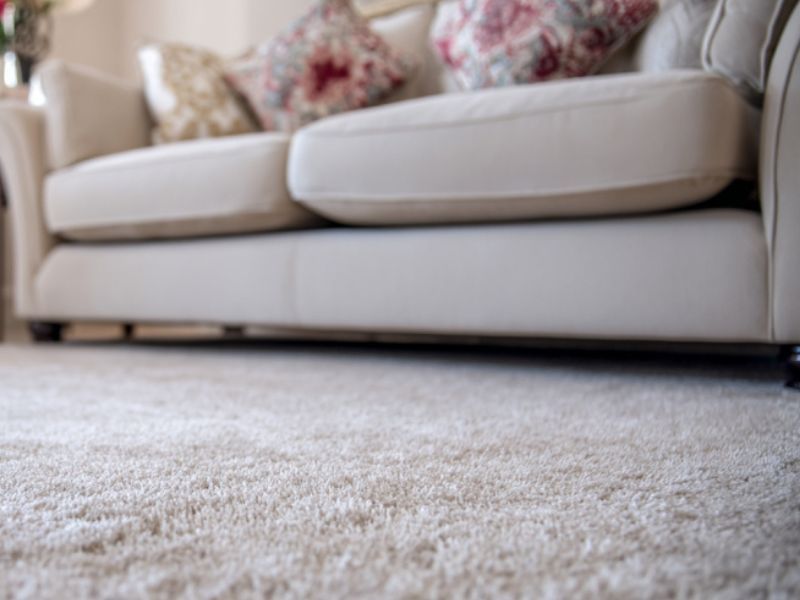
Most homeowners think of carpet cleaning as a simple process of removing visible dirt and stains. In reality, effective carpet cleaning involves a combination of chemistry, physics, temperature control, moisture management, and specialized equipment working together to restore carpet fibers. At THH Cleaning, we believe that understanding the science behind carpet cleaning helps homeowners make informed decisions about maintaining cleaner, healthier floors.
Carpets act as large filters within a home, trapping dust, allergens, soil, pet dander, and other contaminants that would otherwise circulate through the air. Over time, these particles settle deep within carpet fibers where routine vacuuming may not fully remove them. Professional carpet cleaning uses scientifically proven methods to break apart, suspend, extract, and remove these contaminants more effectively.
Why Carpet Fibers Trap Dirt So Easily
Carpet fibers are designed to provide comfort, insulation, and durability. Their structure creates countless spaces where soil, dust, and debris can become trapped. Every time people walk across the carpet, particles are pushed deeper into the fibers.
Some contaminants remain near the surface, while others settle closer to the carpet backing. This is why carpets can appear clean while still holding a significant amount of embedded soil beneath the surface.
The Role of Friction in Carpet Soiling
Every footstep creates friction against carpet fibers. Over time, dirt particles act like tiny abrasives that wear down carpet materials. High-traffic areas often show this effect first because repeated movement pushes soil deeper into the carpet while also damaging the fibers themselves.
Removing these abrasive particles through regular cleaning helps protect carpet appearance and extend its lifespan.
How Cleaning Solutions Break Down Soil
One of the most important scientific principles in carpet cleaning is chemistry. Cleaning solutions are designed to loosen soils from carpet fibers so they can be removed more effectively.
Different contaminants require different cleaning approaches. Oils, food spills, pet accidents, and tracked-in dirt each respond differently to cleaning agents. Professional cleaning solutions work by breaking the bond between contaminants and carpet fibers.
Once those bonds are weakened, extraction equipment can remove the loosened particles much more effectively.
Why Temperature Matters During Carpet Cleaning
Heat plays a major role in cleaning performance. Warm water helps dissolve oils, loosen dirt, and activate cleaning agents more efficiently than cold water alone.
This is one reason professional hot water extraction methods are so effective. Proper temperatures allow cleaning solutions to work more efficiently while helping remove embedded contaminants from deeper within the carpet.
However, temperature must be carefully controlled because excessive heat can potentially damage certain carpet materials.
The Science of Hot Water Extraction
Hot water extraction is often considered one of the most effective carpet cleaning methods available. Despite being commonly called “steam cleaning,” the process primarily uses heated water combined with specialized extraction equipment.
The process generally involves:
- Pre-treatment of soiled areas
- Application of cleaning solutions
- Agitation to loosen embedded debris
- Hot water rinsing
- Powerful extraction of moisture and contaminants
The combination of heat, cleaning chemistry, and suction helps remove a substantial amount of dirt and residue from the carpet.
How Vacuuming Supports Carpet Health
Vacuuming remains one of the most important parts of carpet maintenance. Modern vacuums use airflow and agitation to remove loose soil before it becomes deeply embedded.
Regular vacuuming reduces the amount of abrasive debris that can damage fibers and helps maintain carpet appearance between professional cleanings.
Homes with pets, children, or heavy foot traffic often benefit from more frequent vacuuming schedules.
Understanding Carpet Fiber Types
Different carpet materials respond differently to cleaning methods. Common carpet fibers include nylon, polyester, olefin, and wool.
Each material has unique characteristics related to durability, stain resistance, moisture absorption, and cleaning requirements. Professional cleaners evaluate carpet type before selecting cleaning methods and solutions.
Using the wrong approach can reduce cleaning effectiveness or potentially damage the carpet.
How Moisture Impacts Carpet Cleaning Results
Moisture management is a critical part of successful carpet cleaning. Too little moisture may fail to remove embedded contaminants, while excessive moisture can increase drying times and create other concerns.
Professional equipment is designed to balance cleaning performance with efficient moisture removal. Proper extraction helps carpets dry faster and reduces the chance of residue remaining behind.
Effective drying is just as important as the cleaning process itself.
The Importance of Removing Residue
One common misconception is that cleaning ends when dirt is removed. In reality, residue removal is equally important.
If cleaning agents remain in the carpet after service, they can attract additional soil over time. Professional rinsing and extraction help remove both contaminants and leftover cleaning solutions.
This helps carpets stay cleaner longer after service is completed.
How Professional Equipment Improves Results
Consumer-grade carpet cleaning machines can provide basic maintenance, but professional equipment is designed for deeper cleaning. Commercial systems often generate greater water pressure, stronger extraction power, and more consistent performance.
These capabilities allow professionals to remove contaminants that household equipment may leave behind.
The result is often a cleaner carpet, improved appearance, and more effective removal of embedded debris.
The Connection Between Carpet Cleaning and Indoor Air Quality
Carpets collect airborne particles that settle from daily activities. Dust, pollen, pet dander, and other contaminants can accumulate within carpet fibers over time.
Regular cleaning helps remove these trapped particles, which may contribute to a cleaner indoor environment. Combined with routine vacuuming and proper HVAC maintenance, carpet cleaning can support overall indoor air quality efforts.
This is especially important in homes with pets, children, or allergy-sensitive individuals.
Why Regular Professional Cleaning Extends Carpet Life
Carpets represent a significant investment for many homeowners. Regular professional cleaning helps remove the abrasive particles that contribute to fiber wear.
By reducing embedded soil, maintaining fiber condition, and addressing stains promptly, homeowners can often extend the useful life of their carpet.
Preventive maintenance is typically less expensive than premature carpet replacement.
Why Homeowners Trust THH Cleaning
At THH Cleaning, we understand that effective carpet cleaning involves much more than surface-level appearance. Our approach focuses on removing embedded contaminants, improving carpet condition, and helping homeowners protect their flooring investment.
By combining professional equipment, proven cleaning methods, and attention to detail, we help customers achieve cleaner carpets and a fresher home environment.
Final Thoughts About the Science Behind Effective Carpet Cleaning
Effective carpet cleaning is built on a combination of chemistry, temperature, agitation, extraction, and moisture control. When these factors work together properly, carpets can be cleaned more thoroughly and maintained more effectively.
Understanding the science behind carpet cleaning helps homeowners appreciate why professional service can deliver results that go beyond what is visible on the surface. With proper maintenance and routine care, carpets can remain cleaner, healthier, and more attractive for years to come.
Frequently Asked Questions About Effective Carpet Cleaning
How often should carpets be professionally cleaned?
Most homes benefit from professional carpet cleaning every 12 to 18 months, although high-traffic households may require more frequent service.
Does hot water extraction damage carpets?
No. When performed correctly, hot water extraction is considered a safe and effective cleaning method for many carpet types.
Why do carpets get dirty so quickly?
Carpets trap dust, dirt, oils, and airborne particles every day. High foot traffic and inadequate vacuuming can accelerate buildup.
Can professional carpet cleaning remove allergens?
Professional cleaning can remove many allergens and contaminants trapped within carpet fibers, helping improve overall carpet cleanliness.
How long does carpet take to dry after cleaning?
Drying time varies based on humidity, airflow, carpet type, and cleaning method, but many carpets dry within several hours.
Is vacuuming enough to keep carpets clean?
Vacuuming is essential for maintenance, but it cannot always remove deeply embedded soil. Professional cleaning helps address contaminants below the surface.

Other Blogs You May Be Interested In


Leave a Reply